




Capability 03
CNC Bending
A CNC press brake folds flat sheet into the section you drew. MCS bends custom shapes, sizes and thicknesses, from one prototype to a production quantity. The bends are accurate, and the section stays the same through the whole run.

On the press brake
Set, place,
fold


The proof
Bent edges
from our job work
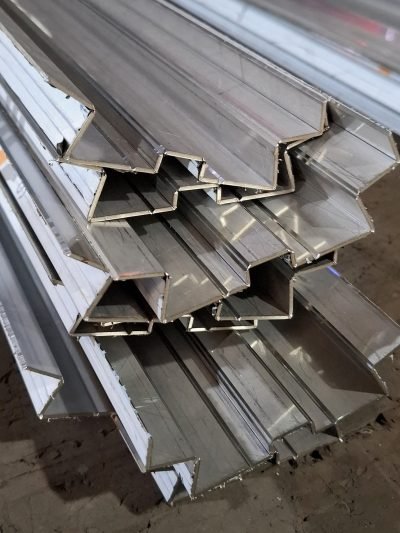
Close-ups cut from our own photographs, with light and sharpness adjusted. The bends are not changed.
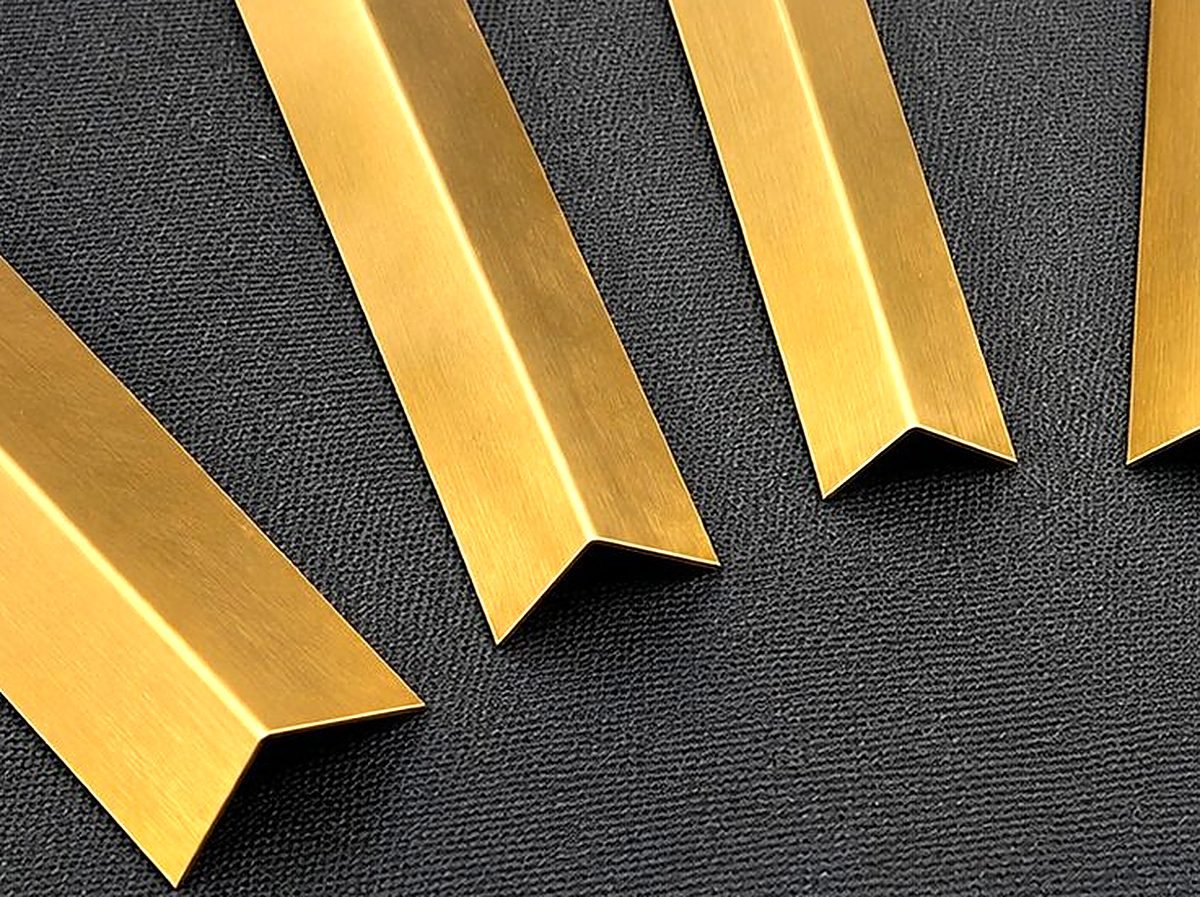
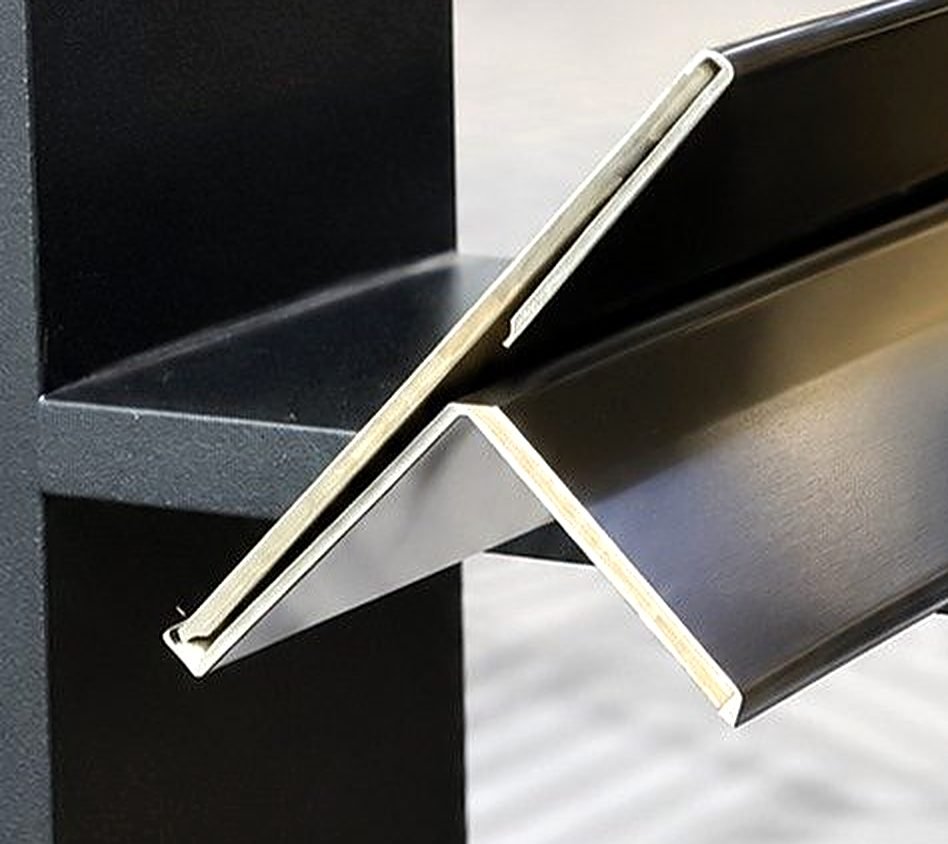
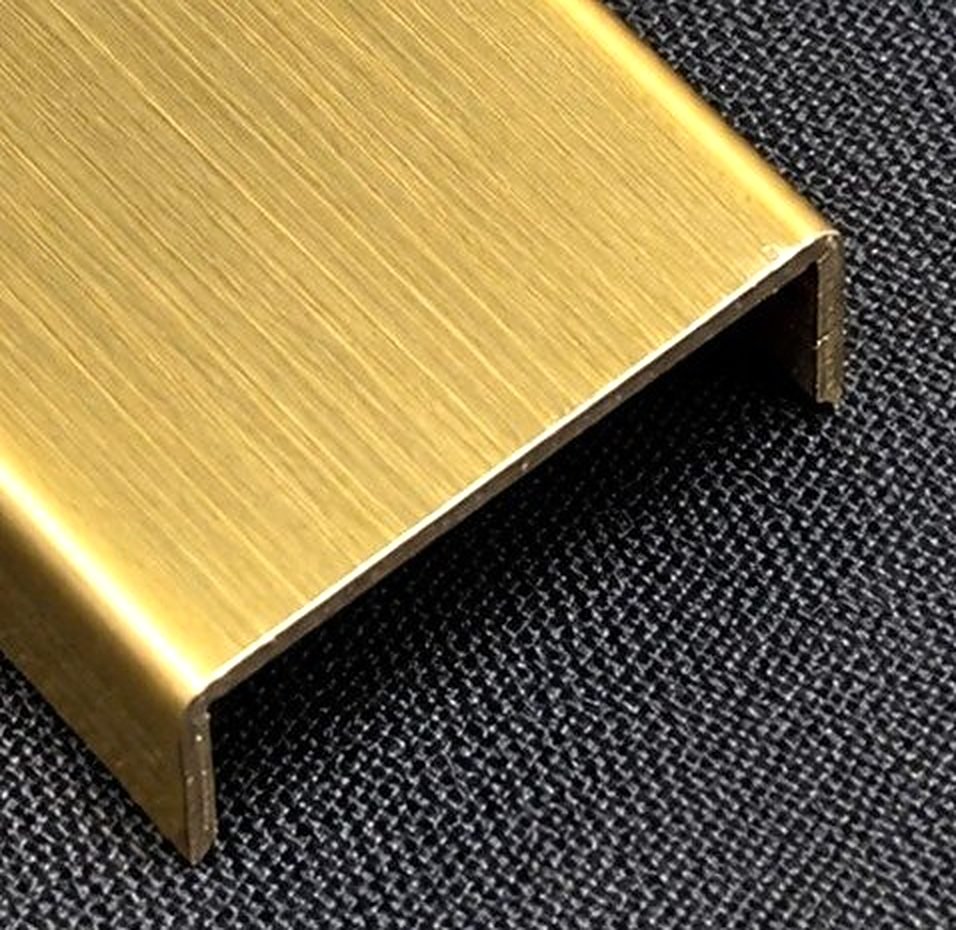
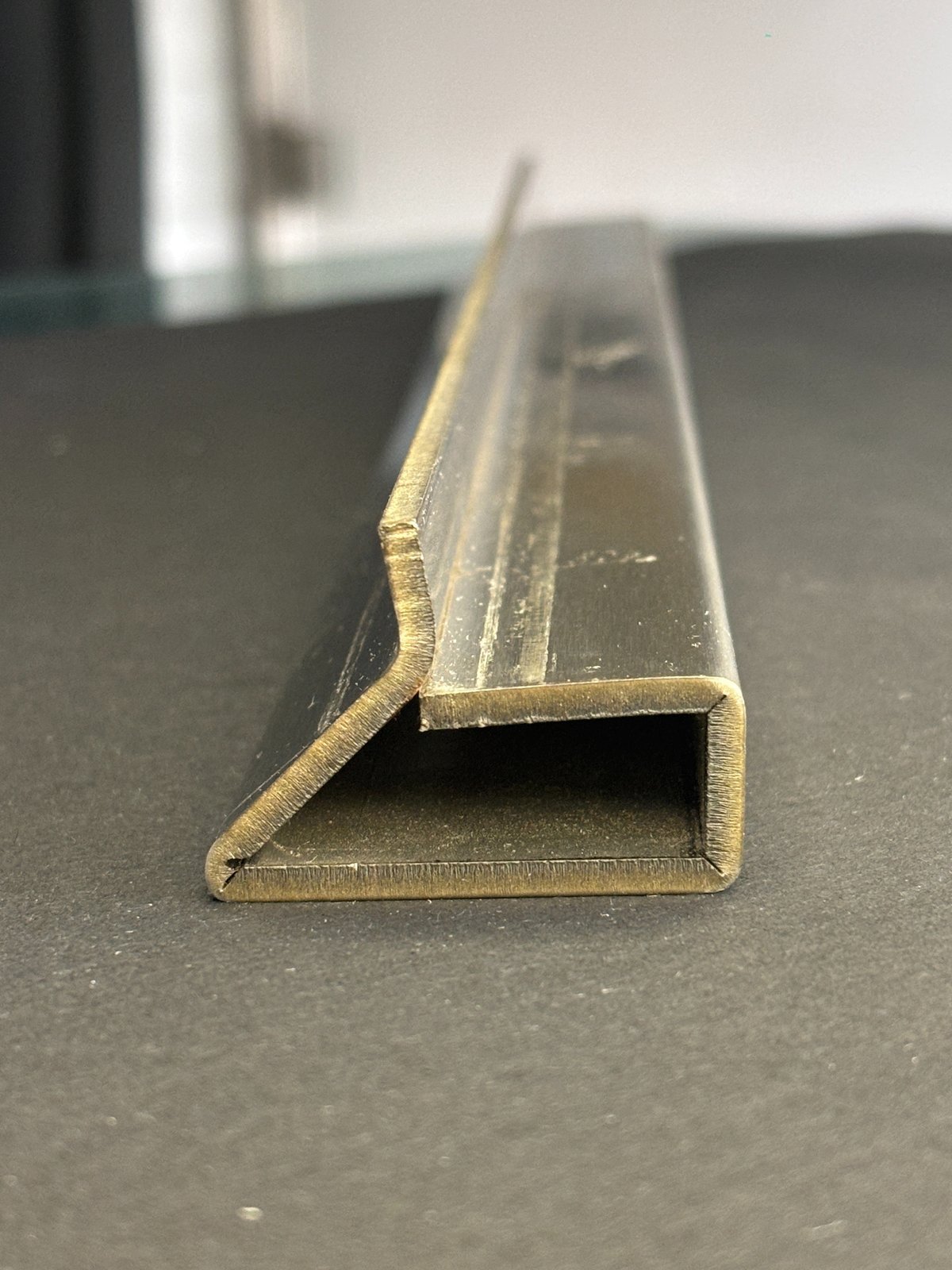
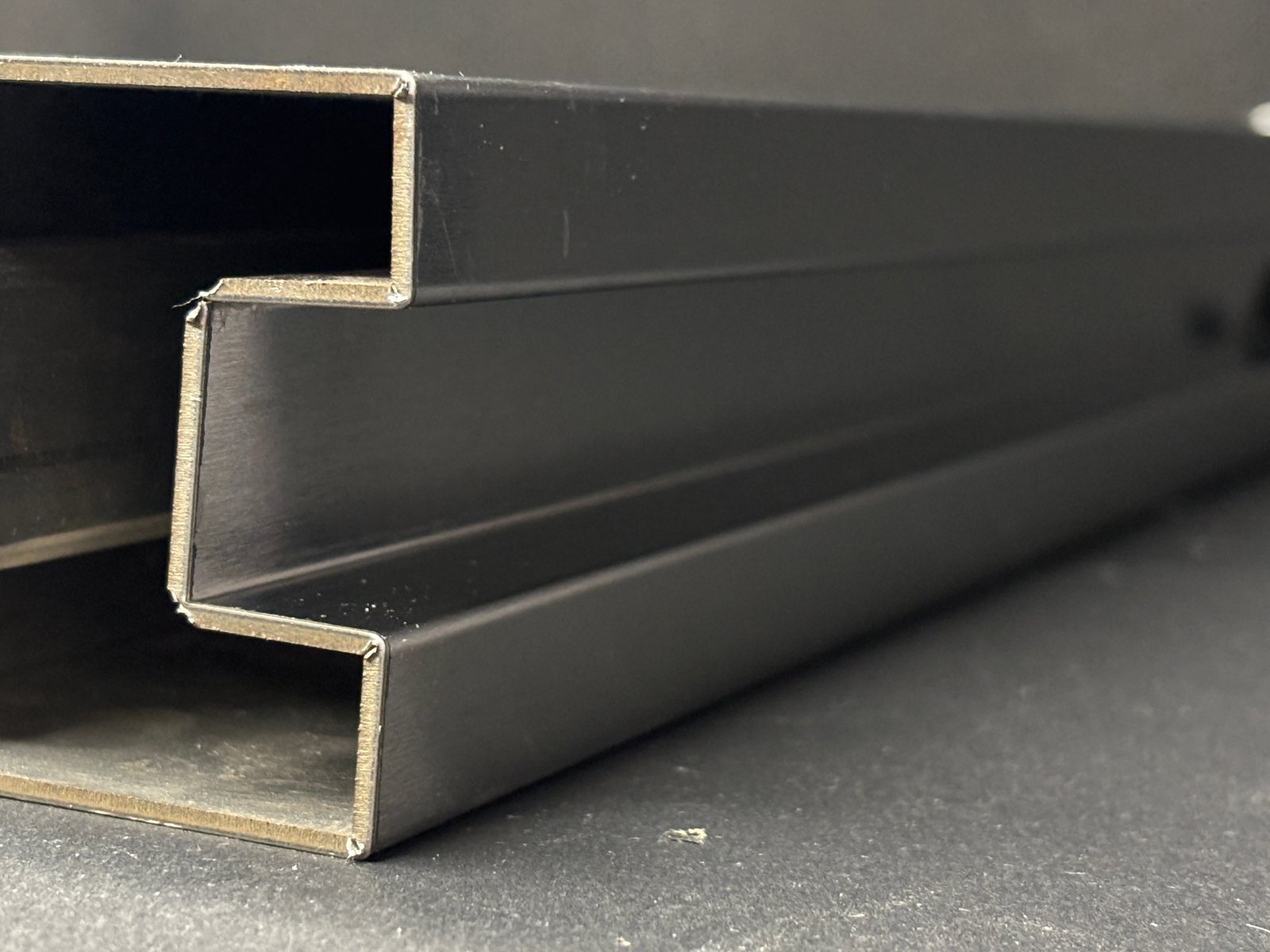
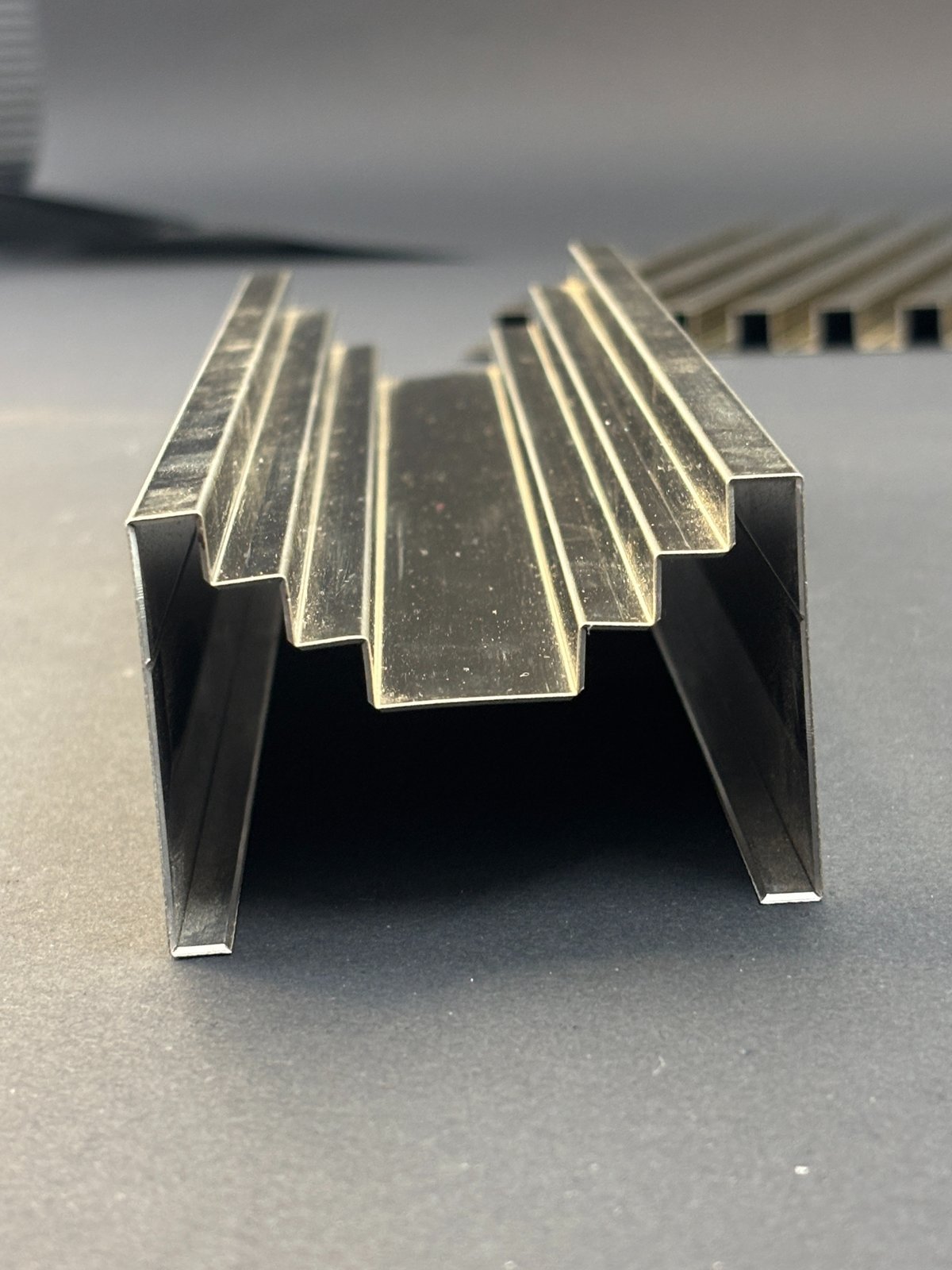
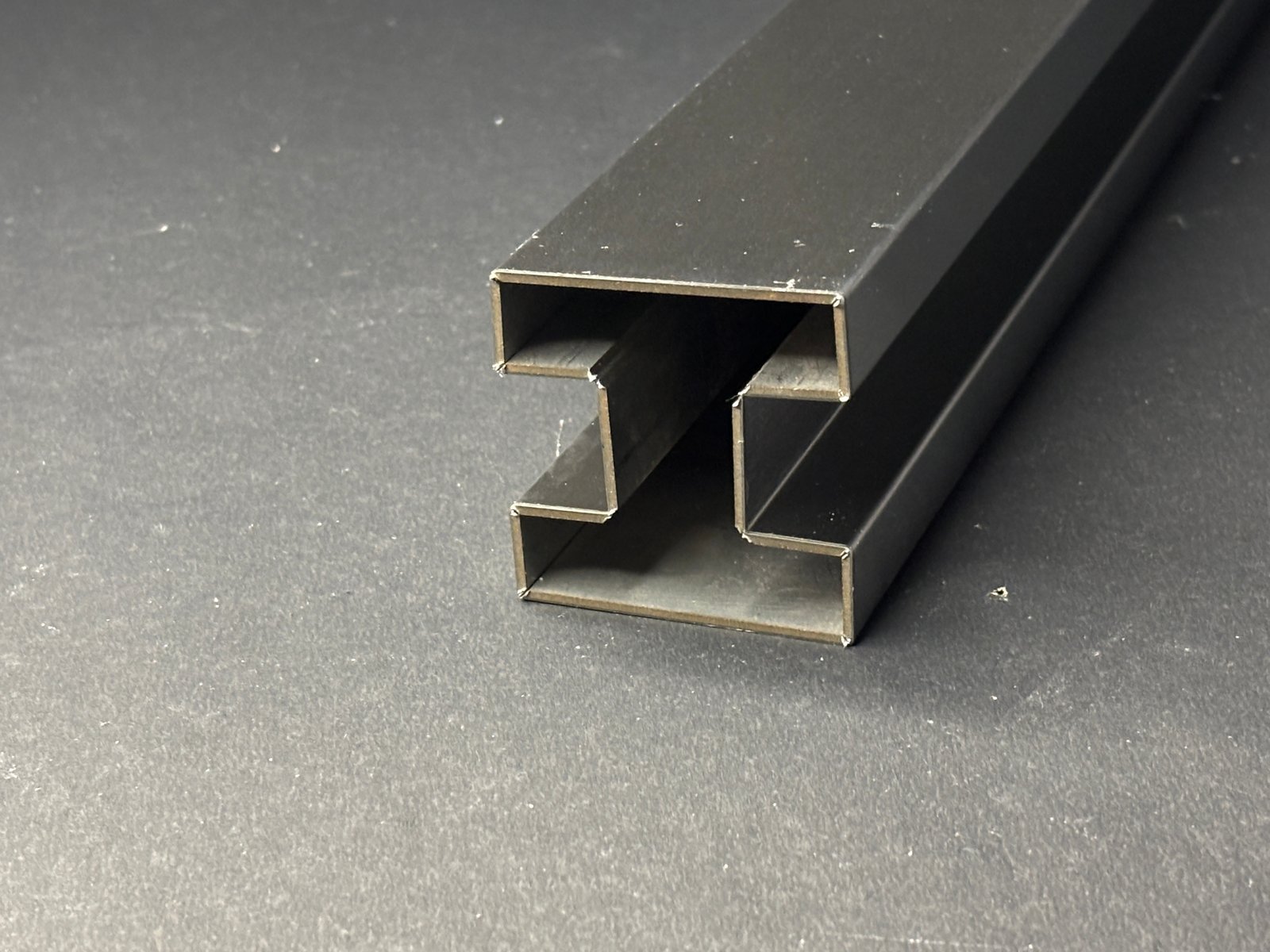
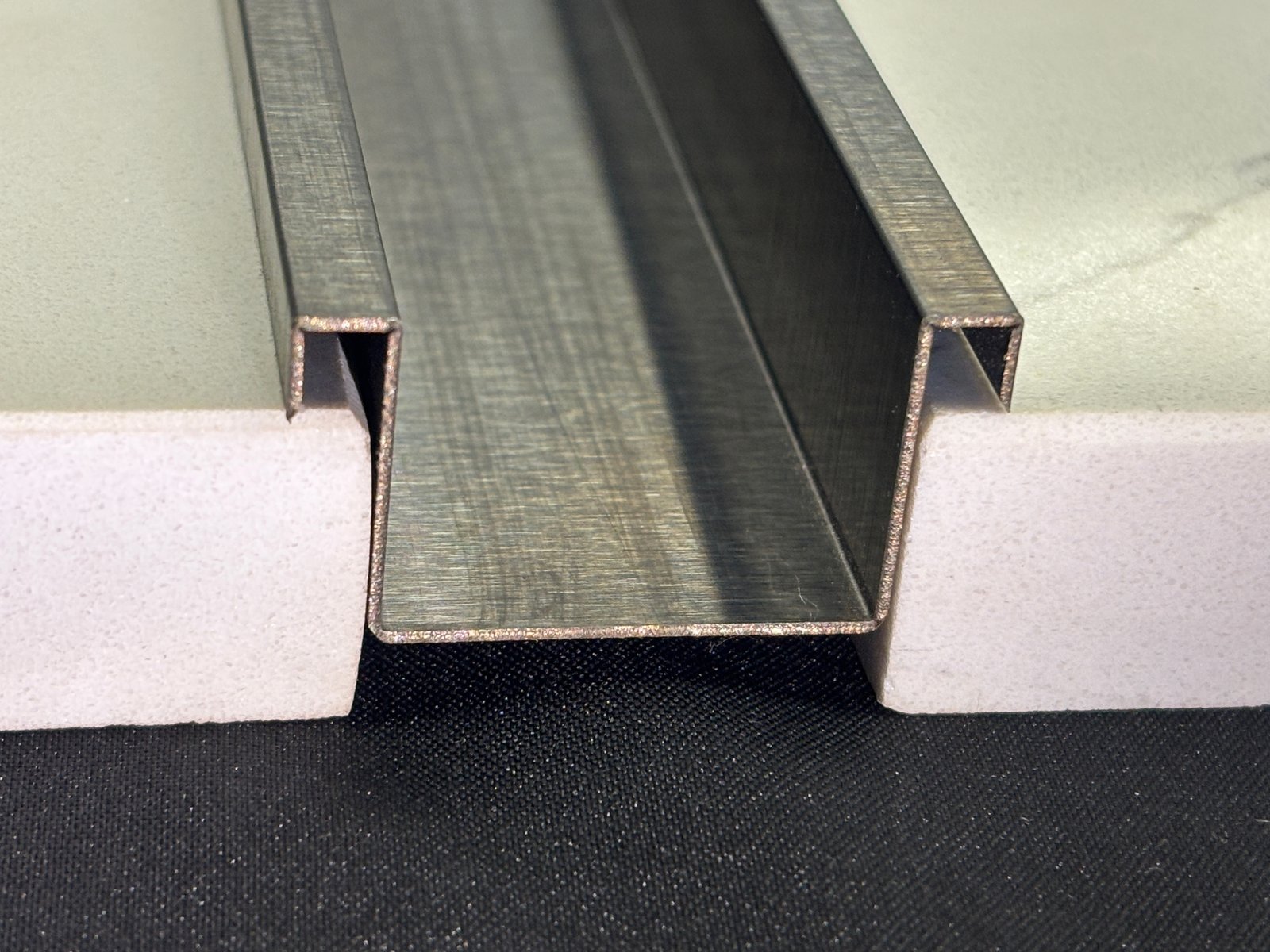
Enhanced close-up of our photograph: cropped, light and sharpness adjusted. The bend is not changed.
On film
The fold,
on film
The press brake at work: the back gauge, the punch and die, a sheet folded with gloved hands.
Filmed in our workshop in Narela, Delhi. The clips are silent and play while on screen; tap one to pause it.
In detail
How MCS bends sheet
The same bend every time
One good bend is not the point of CNC bending. The point is that the thousandth bend matches the first. MCS keeps the programme, so a repeat order matches the approved sample.
Sheet thickness
From 0.25 mm to 4 mm. Thin sheet marks and distorts easily. Thicker sheet needs more force and gets a larger inside radius, unless it is V-grooved first.
Bend allowance
The flat length of a section is worked out for its metal, its thickness and the kind of bend. A V-grooved bend uses a different amount of metal from a plain one. Treating the two alike is the usual reason a folded section arrives short.
Bend order
The order of the bends decides which ones the tool can reach. A section can look simple on paper and still be impossible to form, because the tool has no room to make the last bend. The fabrication review checks for this.
With or without a groove
Where the outside corner is seen, the sheet is V-grooved first and bent second. Where the corner is hidden, an ordinary bend is the sensible choice, and it costs less.
Long lengths
Architectural profiles are made in long lengths, so a visible run has fewer joints. MCS confirms the maximum length for each enquiry.
The drawings
What happens
at the corner
Conventional press-brake bending is fast, economical and right for a great many parts. The sheet is pressed into a die by a punch and wraps around the punch tip, so every bend has an inside radius (Ri) and an outside radius (Ro), which together with the sheet thickness (T) and the bend angle (θ) define the corner.
From flat sheet to a sharper corner
Diagrams, not to scale. They show the principle; your section is drawn and checked by our design team.
Try it
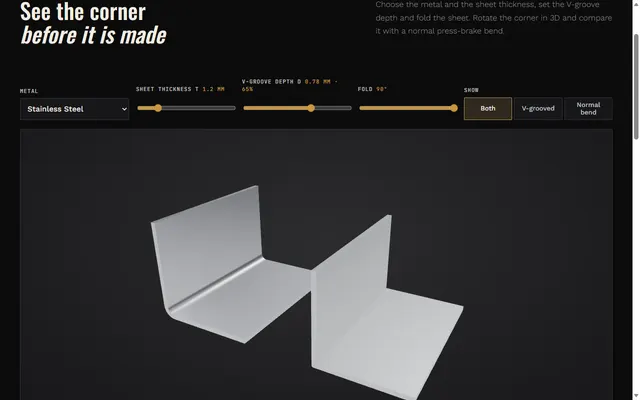
Normal bend ↔ V-grooved bend
The same section, the same fold. Only the outside corner changes, from the radius a press brake gives on its own to the sharp edge a V-groove makes possible.
The machine
On the press brake
The CNC press brake during a run of profiles: a grooved sheet goes in, and the bend forms against the die.


Planned before it is bent
Five steps
before the first fold
Bending at a glance
What the press brake
takes
| Machine | 5-axis CNC press brake with a CNC back gauge |
|---|---|
| Bend length | Up to 3 m |
| Sheet thickness | 0.25 to 4 mm |
| Metals | Stainless steel, mild steel, aluminium, brass and copper |
| Corner | Normal bend: a small round corner V-grooved first: a sharp corner |
| Panels and trays | Folded on all four sides in two passes, in an order planned so the returns clear the tools |
| Repeat orders | The programme is kept, so a repeat batch matches the first |
Questions and answers
Bending:
questions
What is the shortest flange you can bend?
It depends on the thickness and the die, so we confirm it on your drawing. Very short flanges, deep U shapes and closed boxes may need a special tool or a different bend order.
Why is my corner round?
A press brake folds sheet round a small radius. For a sharp outside corner, the bend line is V-grooved first.
Can you match a sample?
Yes. Send the sample, or a photograph with the sizes. The first piece is checked against it before the batch.
My sheet is brushed or mirror finished. Does that matter?
Yes. Tell us the seen face and the direction of the brush lines, and every piece is bent the same way so the batch matches.
Start a project
A section to bend
Send the section drawing with the metal, thickness, length and quantity. MCS will check the bend order, confirm the length and send the cost.