

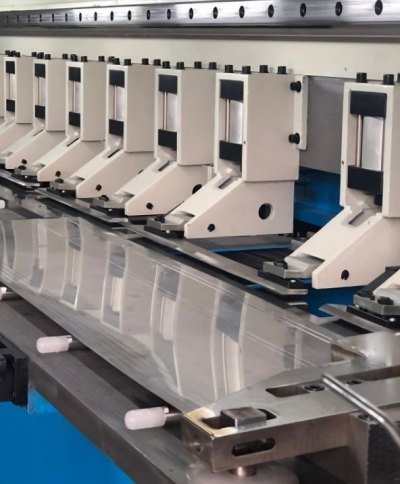

Capability 01 — Flagship
CNC
V-Grooving
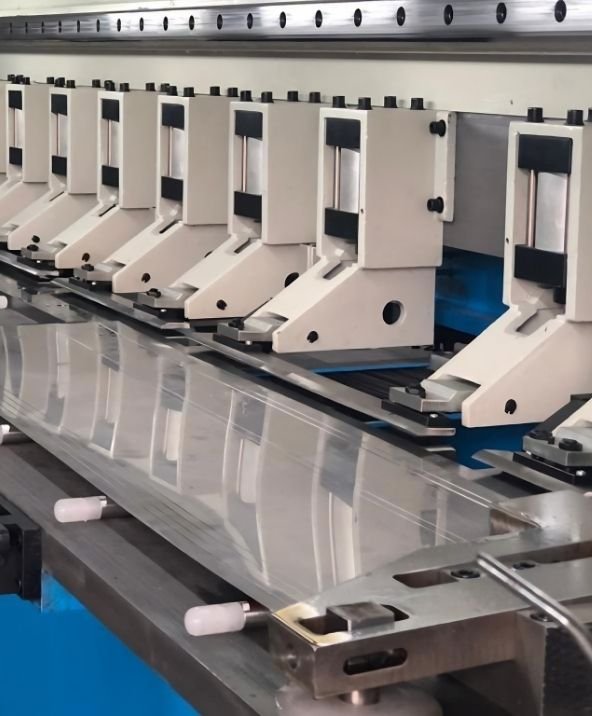
A controlled channel milled along the bend line before forming, so the sheet closes to a far smaller radius than a press brake alone can produce. It is the single operation that most changes how a folded architectural profile looks.
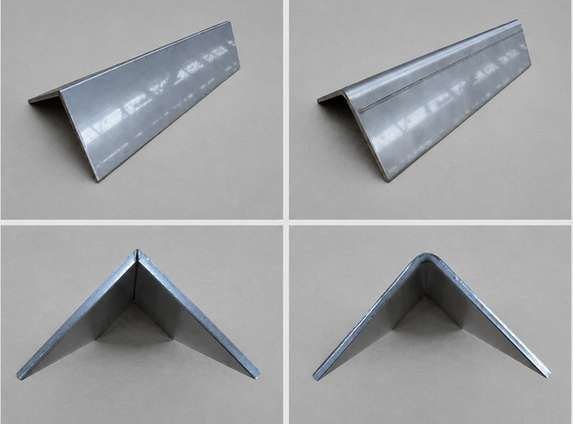
The difference
The corner is the whole argument.
The evidence
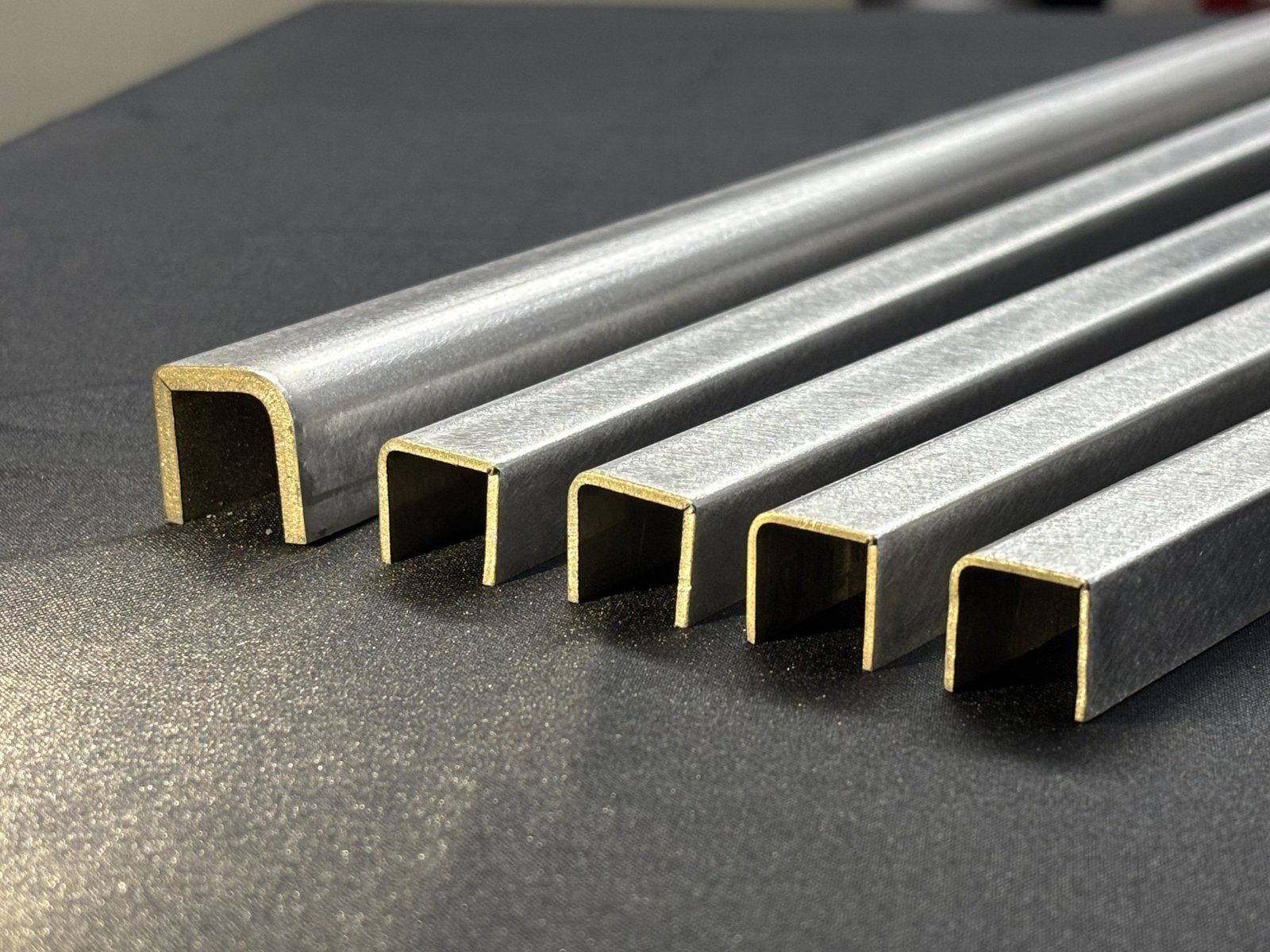
Where the groove does the work
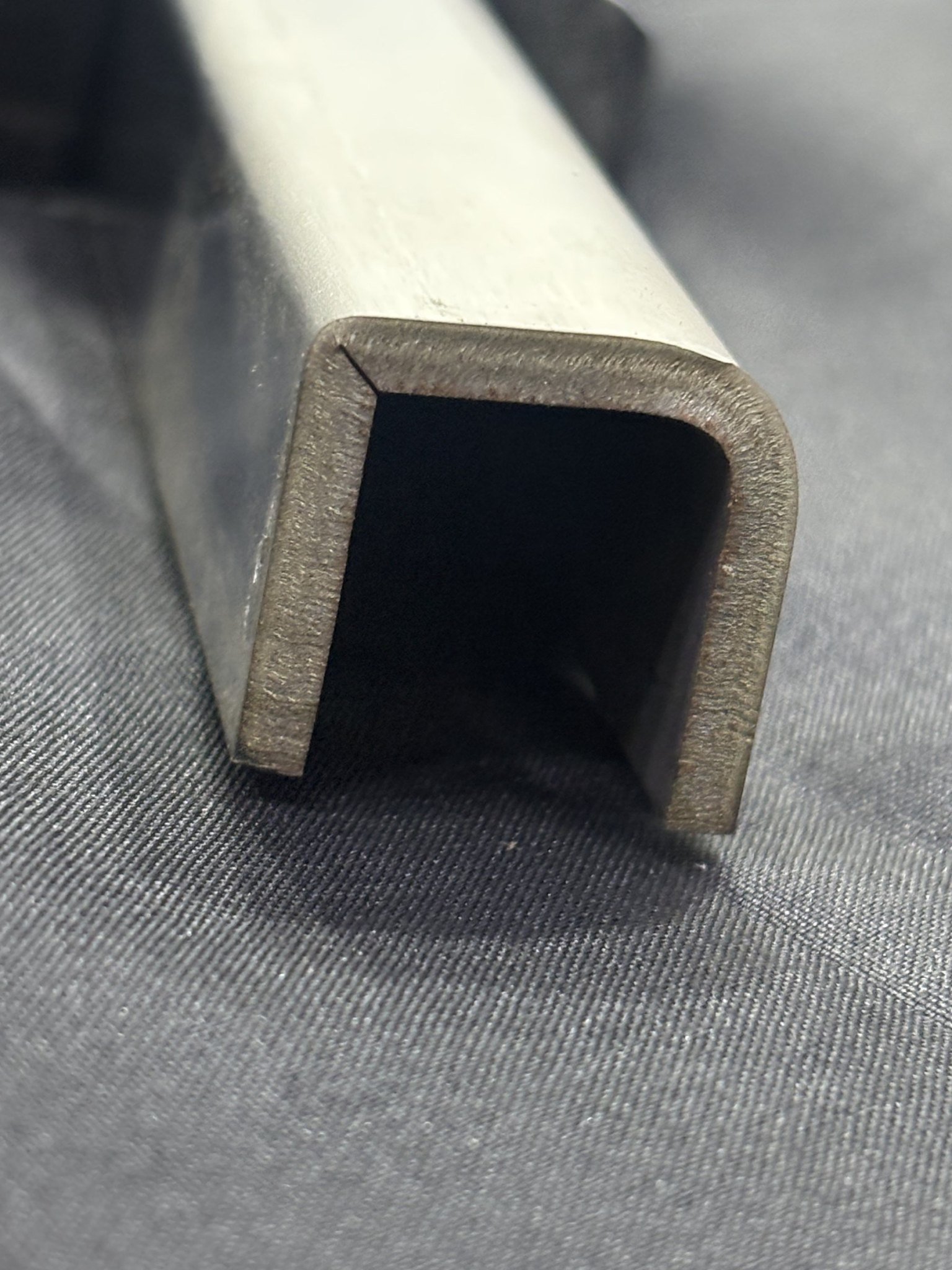
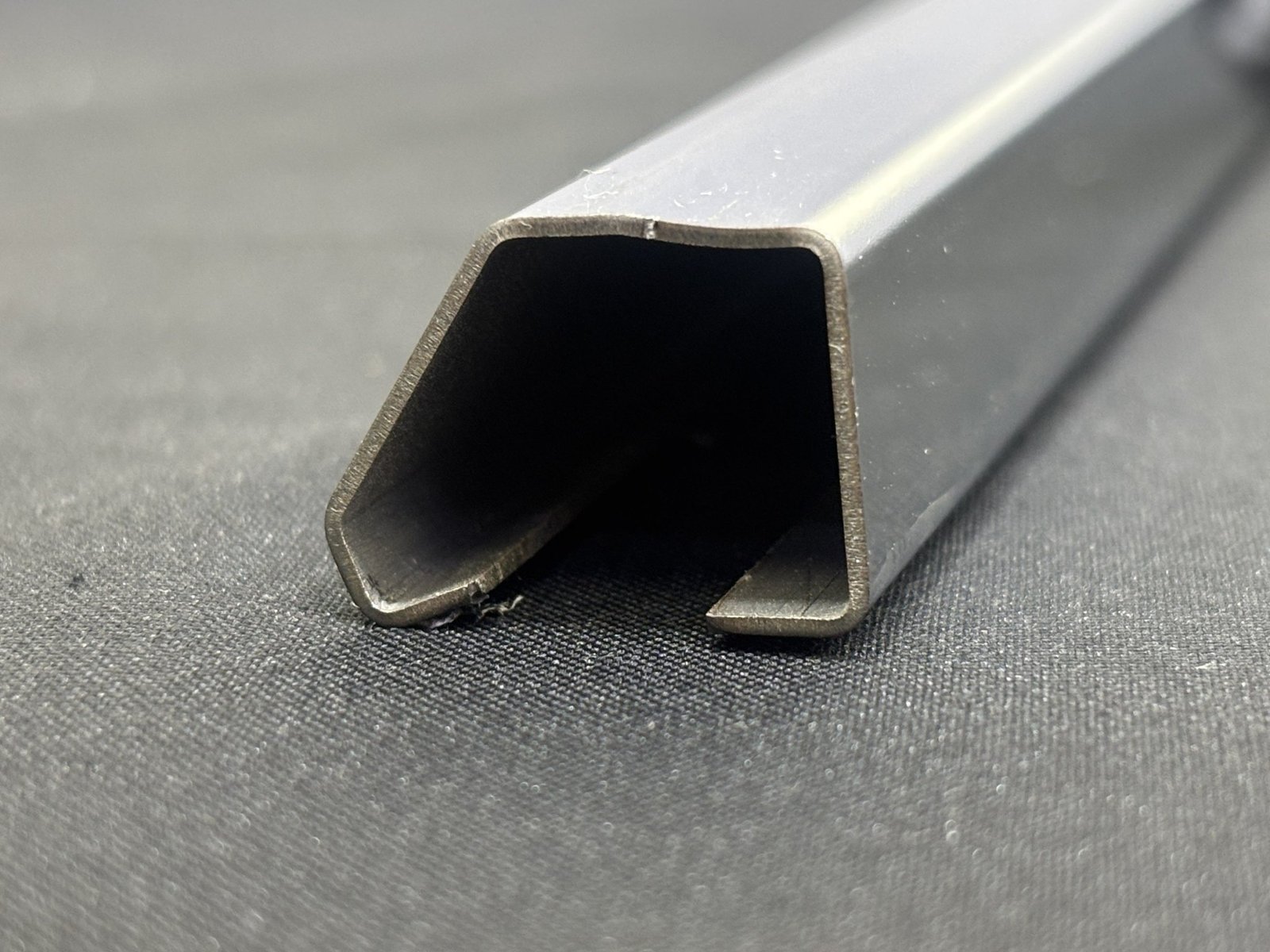
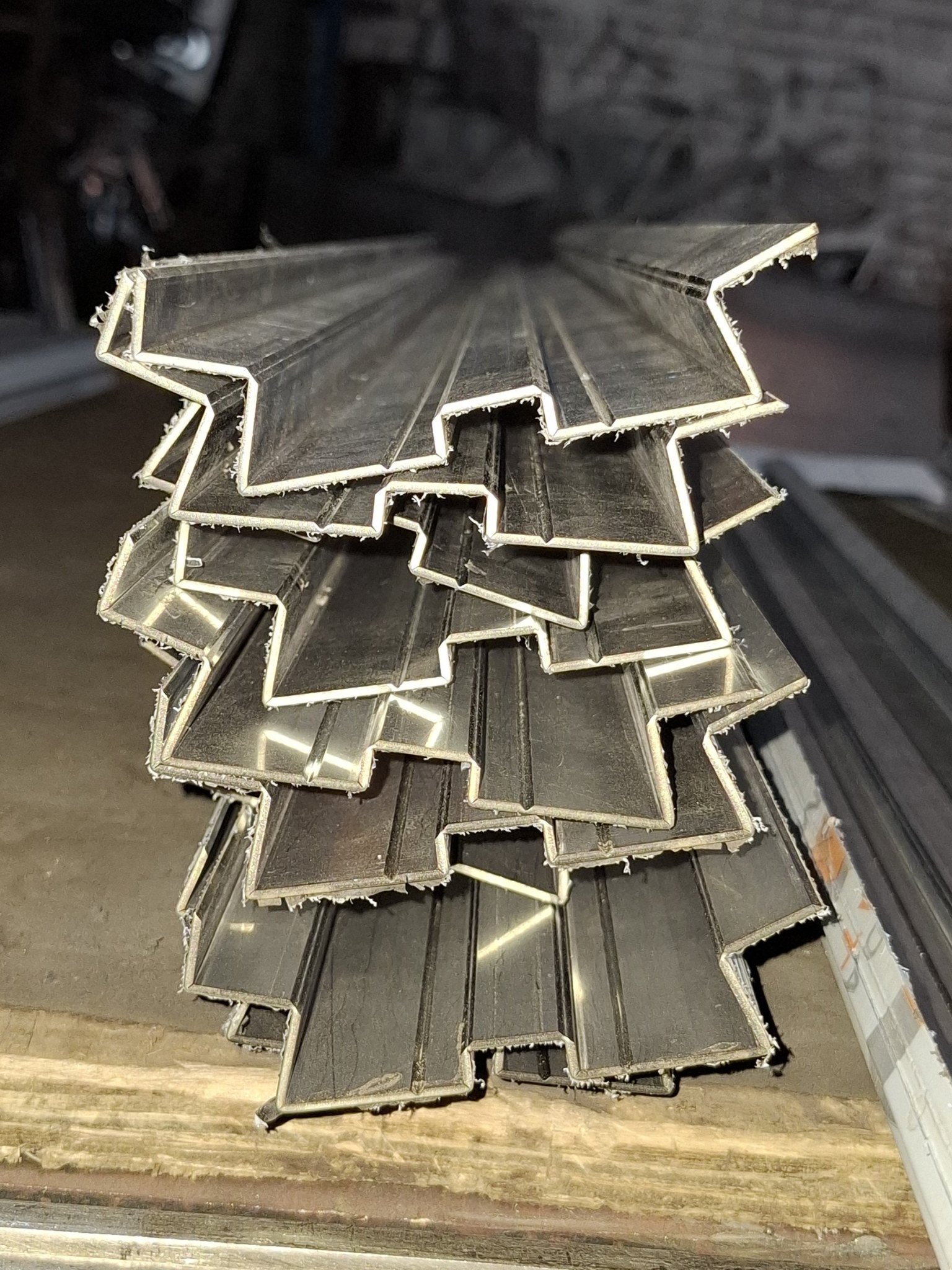
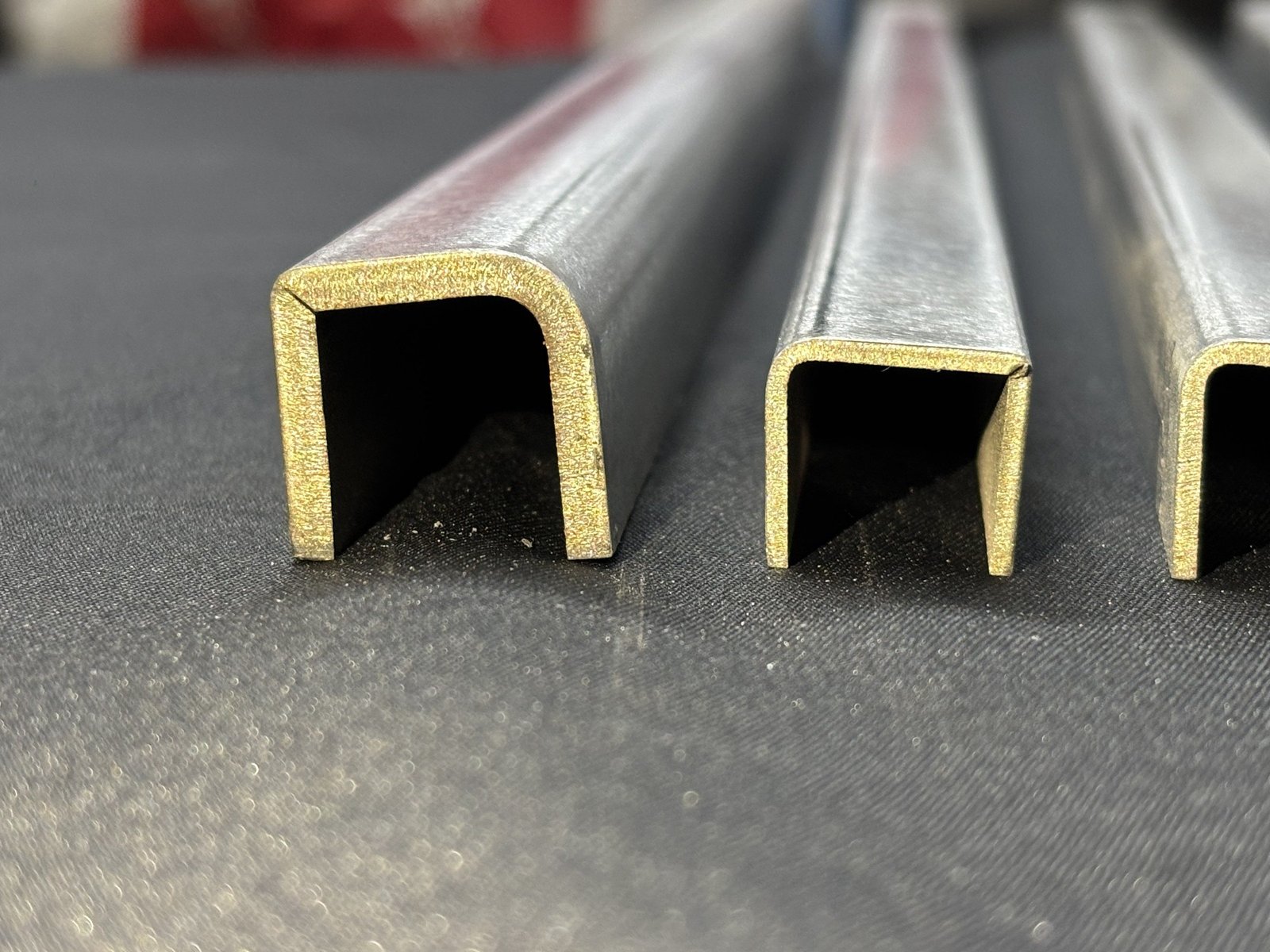
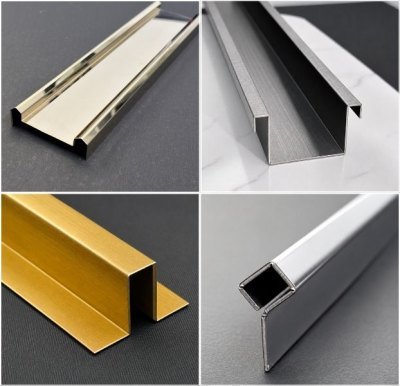
A channel milled along the bend line before forming lets the sheet close to a far sharper external corner than a press brake alone can reach. These are our own parts, photographed in the workshop.
How it works
Three operations, in this order
Grooved, then folded
From flat sheet to a sharp corner
The same operation, photographed in the workshop: the groove goes in first, the fold follows, and the corner arrives sharp — in stainless steel, brass, copper, aluminium or mild steel, on a single piece or a production run.
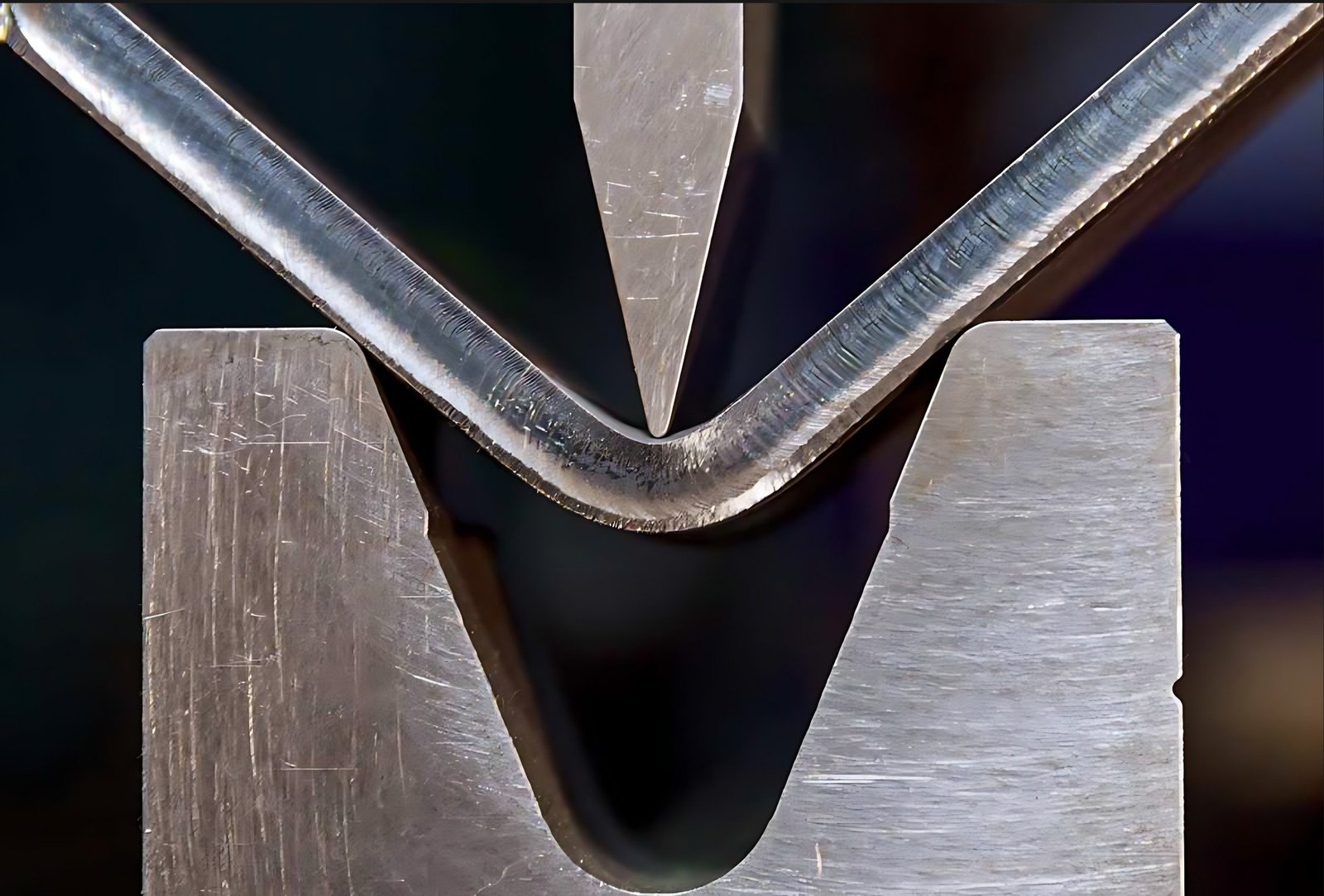
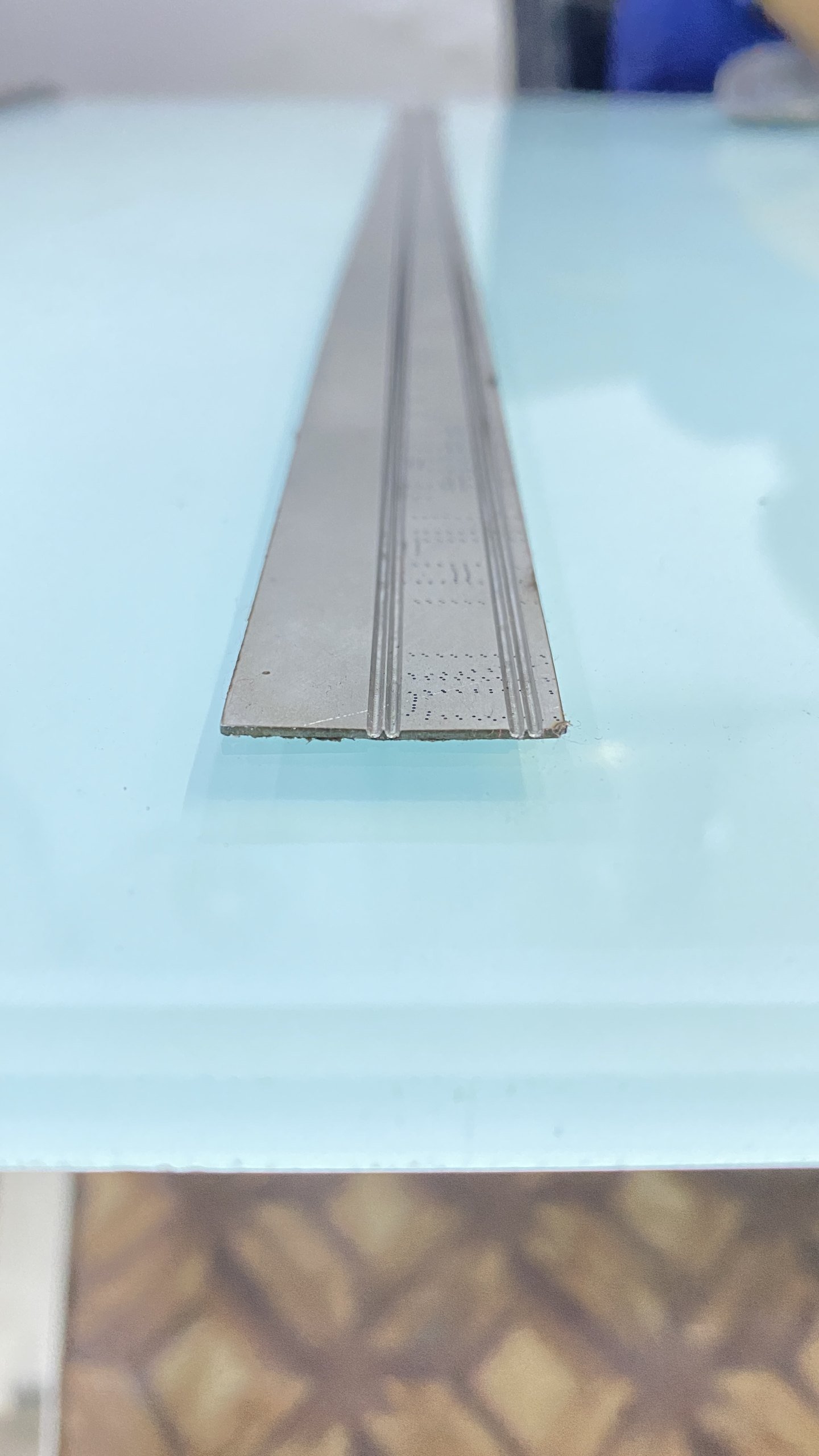
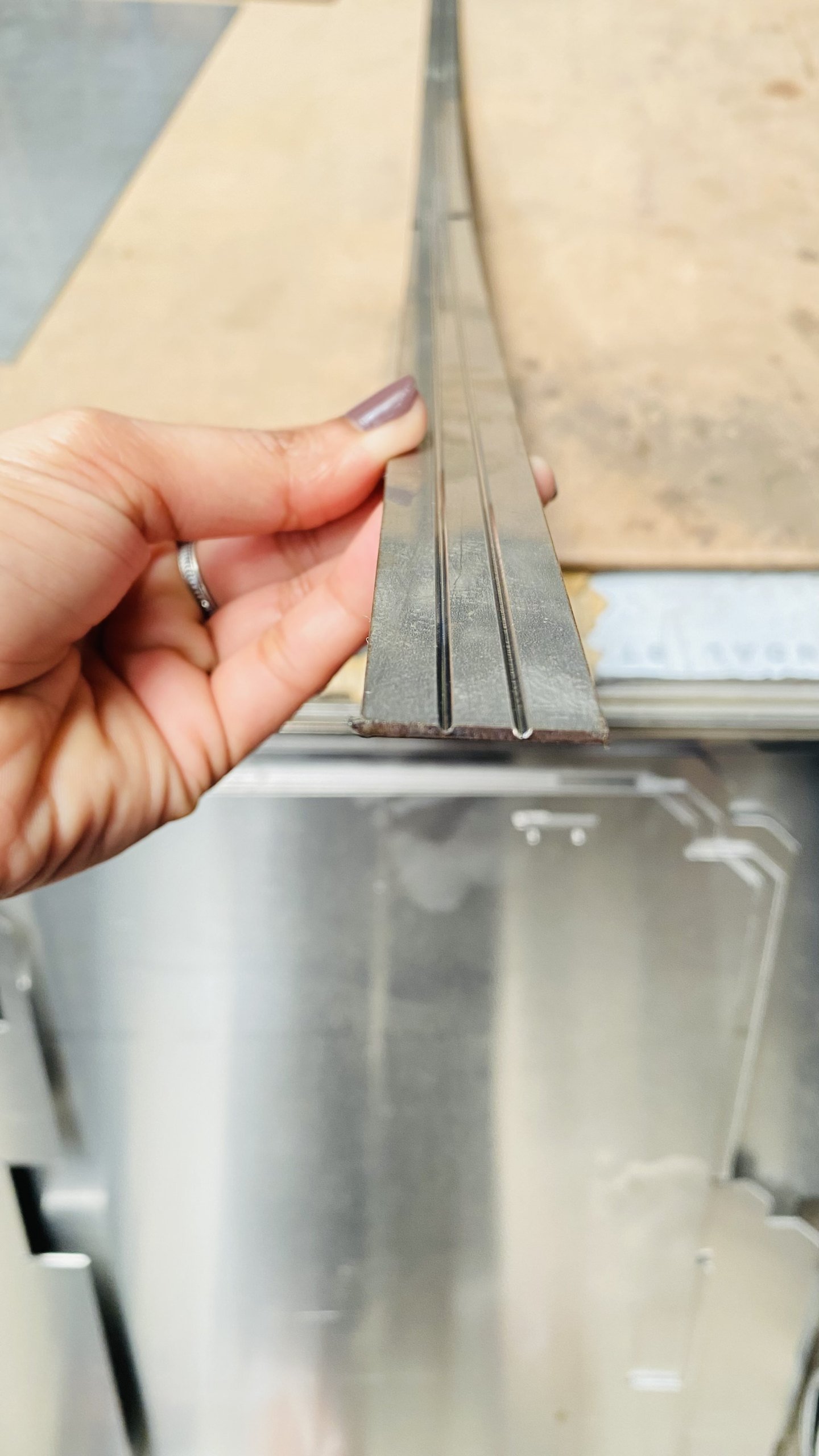
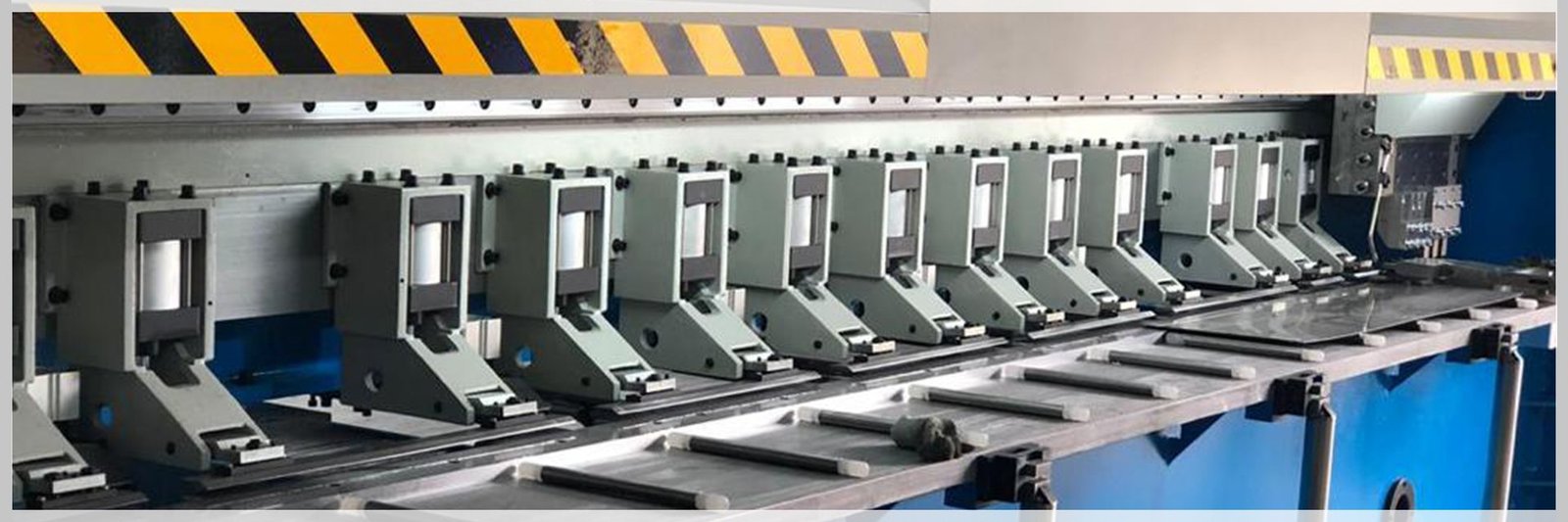
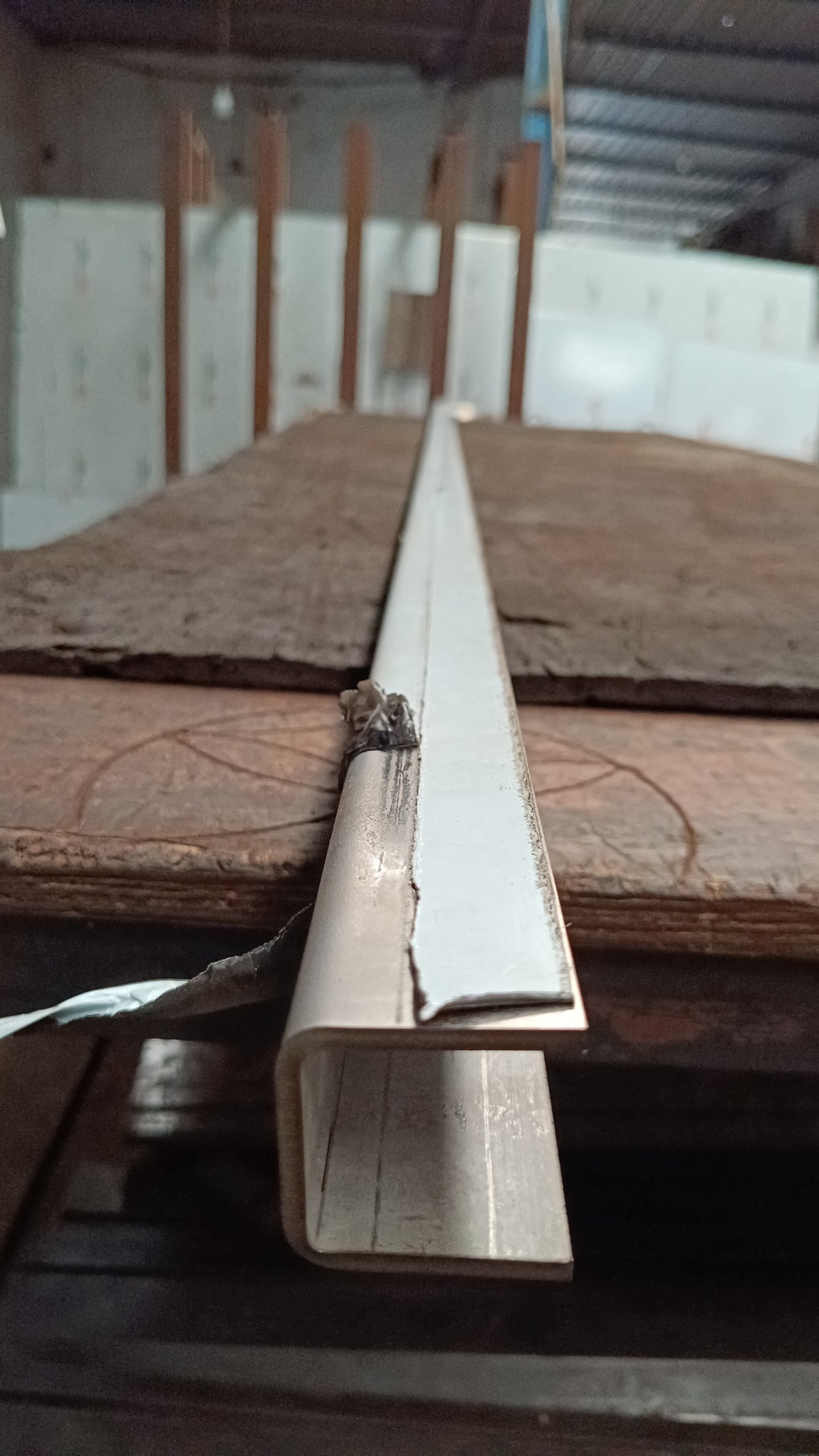
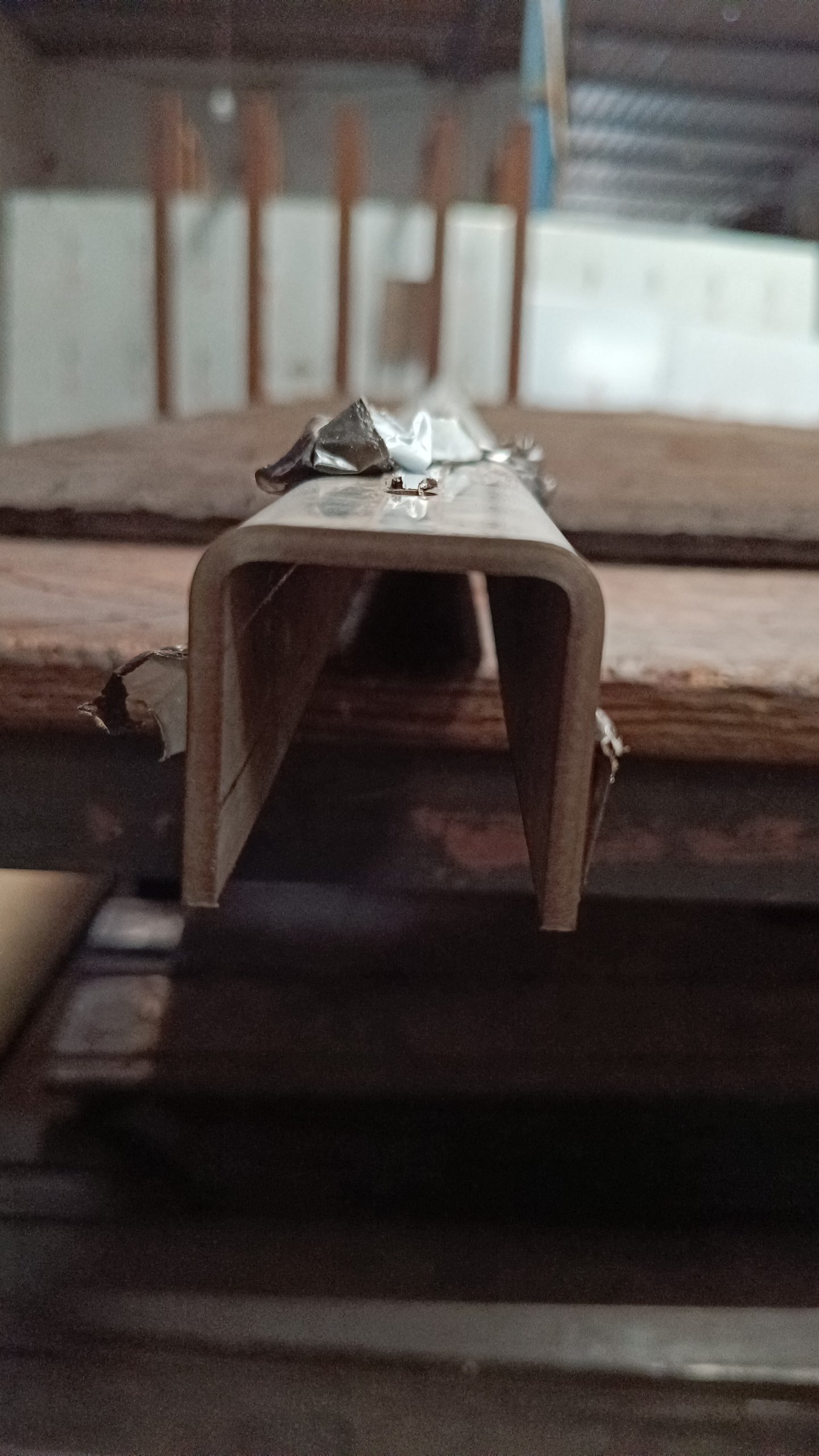
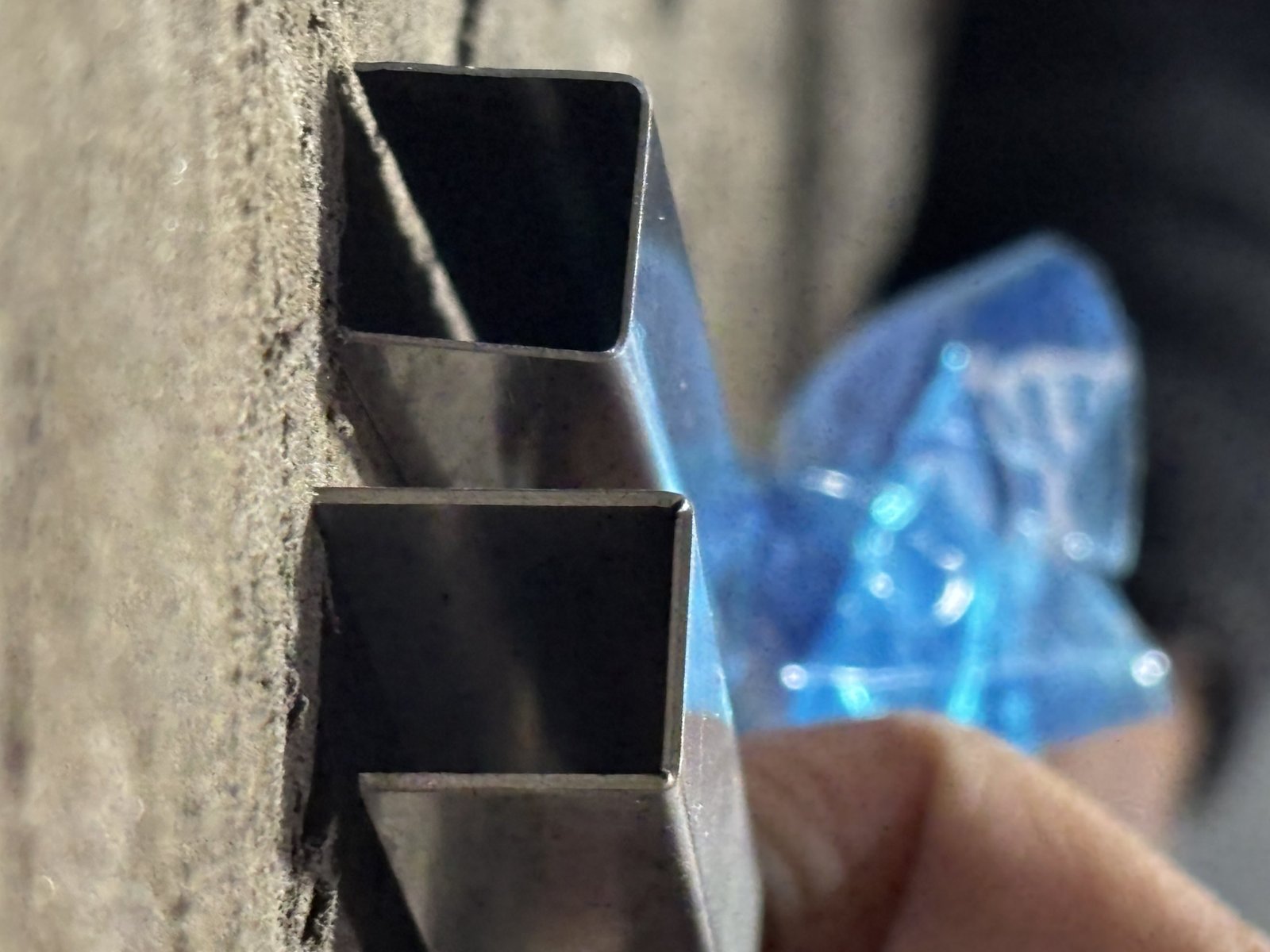
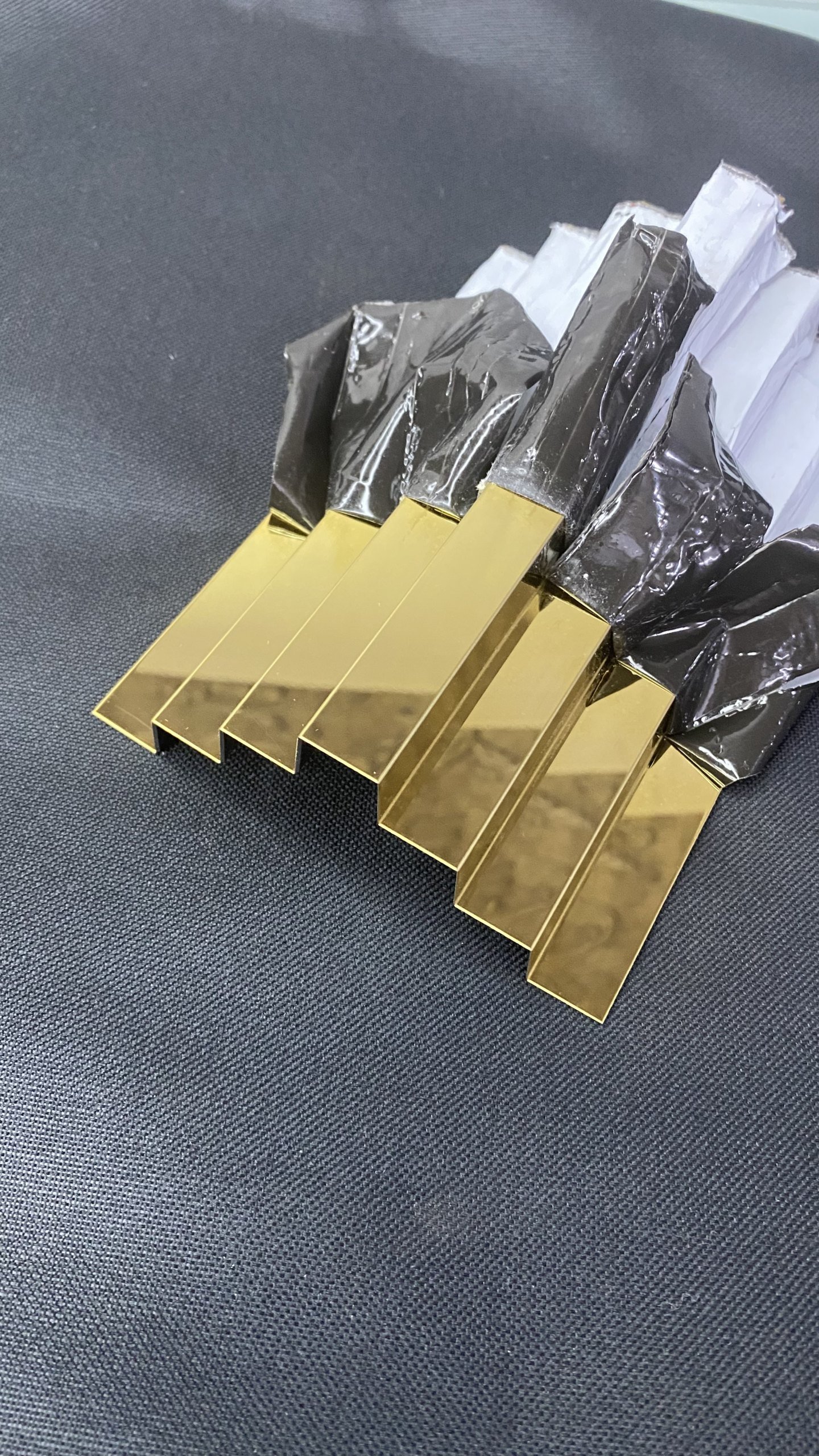
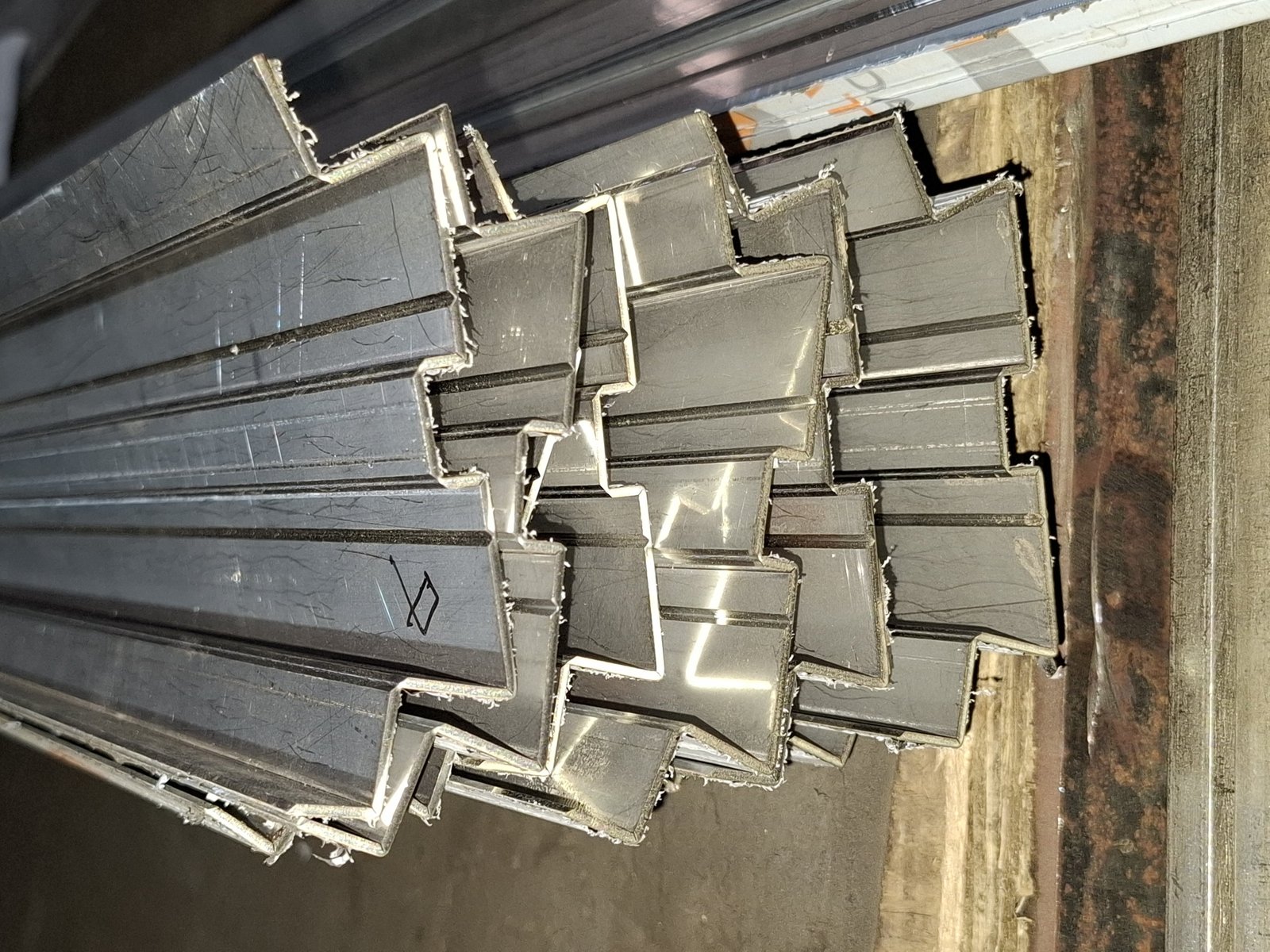
All photographs are MCS work in the Narela workshop. The bend comparison graphic above uses MCS samples.
Why specify it
What changes on the finished detail
V-grooving is worth specifying where the corner is visible and close. Where a profile is concealed or high above the sightline, a conventional bend is the sensible choice — and MCS will say so.
Sharper external corners
The arris reads as a machined edge rather than a fold, which is what separates an architectural profile from a fabricated one.
Smaller bend radius
Tighter geometry than the tooling alone would allow, so sections can be shallower and legs shorter.
Cleaner joints
Mitres and returns close tighter, so there is less to fill, grind and disguise before finishing.
Less face deformation
The visible surface is not dragged over a tool radius, which matters on mirror and hairline finishes where any distortion shows.
Repeatable across a run
The groove is machined to a programme, so the hundredth length matches the sample.
Better base for coating
A crisp, undistorted corner takes PVD and powder coating more evenly than a stretched one.
Where MCS uses it
Products built on this operation

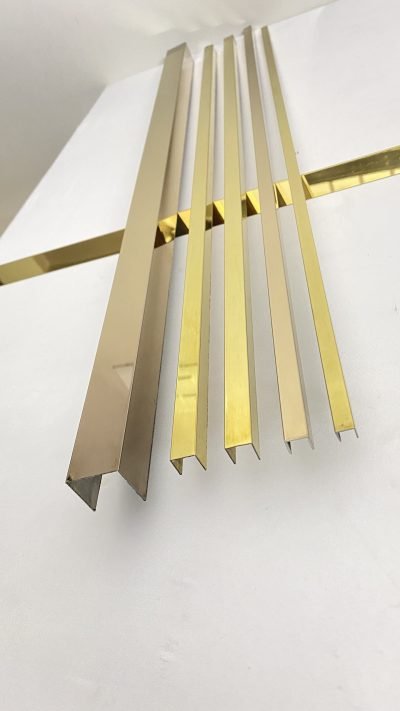

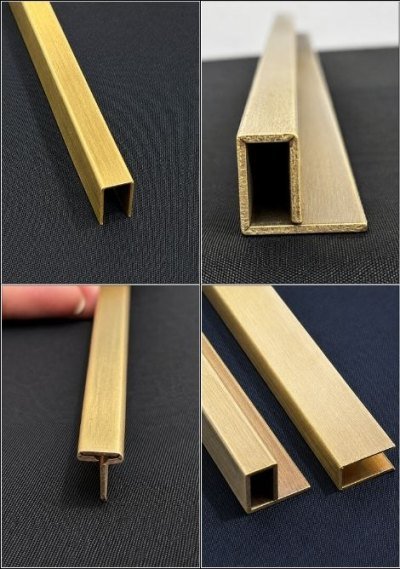
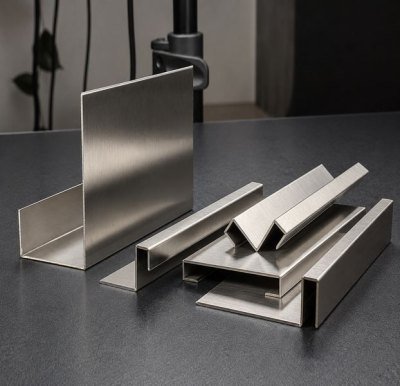
Capacity
Machine specification
| Process | CNC V-grooving, long-format |
|---|---|
| Materials | Stainless steel, mild steel, aluminium, brass, copper |
| Sheet thickness | 0.25 – 4 mm |
| Processing length | Long-format architectural profiles |
Groove angle, minimum leg length, maximum processing length and web thickness are confirmed per enquiry. They depend on material, thickness and the finished angle, and MCS would rather confirm them against your section than publish a figure that does not apply to it.
Start a project
Have a section that needs a sharp corner?
Send the drawing. MCS will confirm groove positions, minimum leg length and whether it folds as drawn.