

Complex shapes from flat sheet
If it can be drawn,
it can usually be folded.
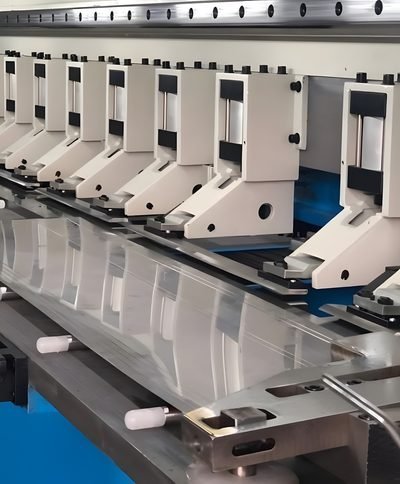
Curved and round sections, parametric fins, 3D folded panels, shingle and interlocking skins, multi-bend profiles and perforated patterns all start as flat sheet on our laser and end on our press brake. Send the shape as you have it: our design team tells you how it can be made before anything is cut.
How a complex shape is made
Five steps,
in this order
Shape families
What flat sheet
becomes here
Each family with its real parts. Open one for the metals, the processes it went through and what we need to quote your version.
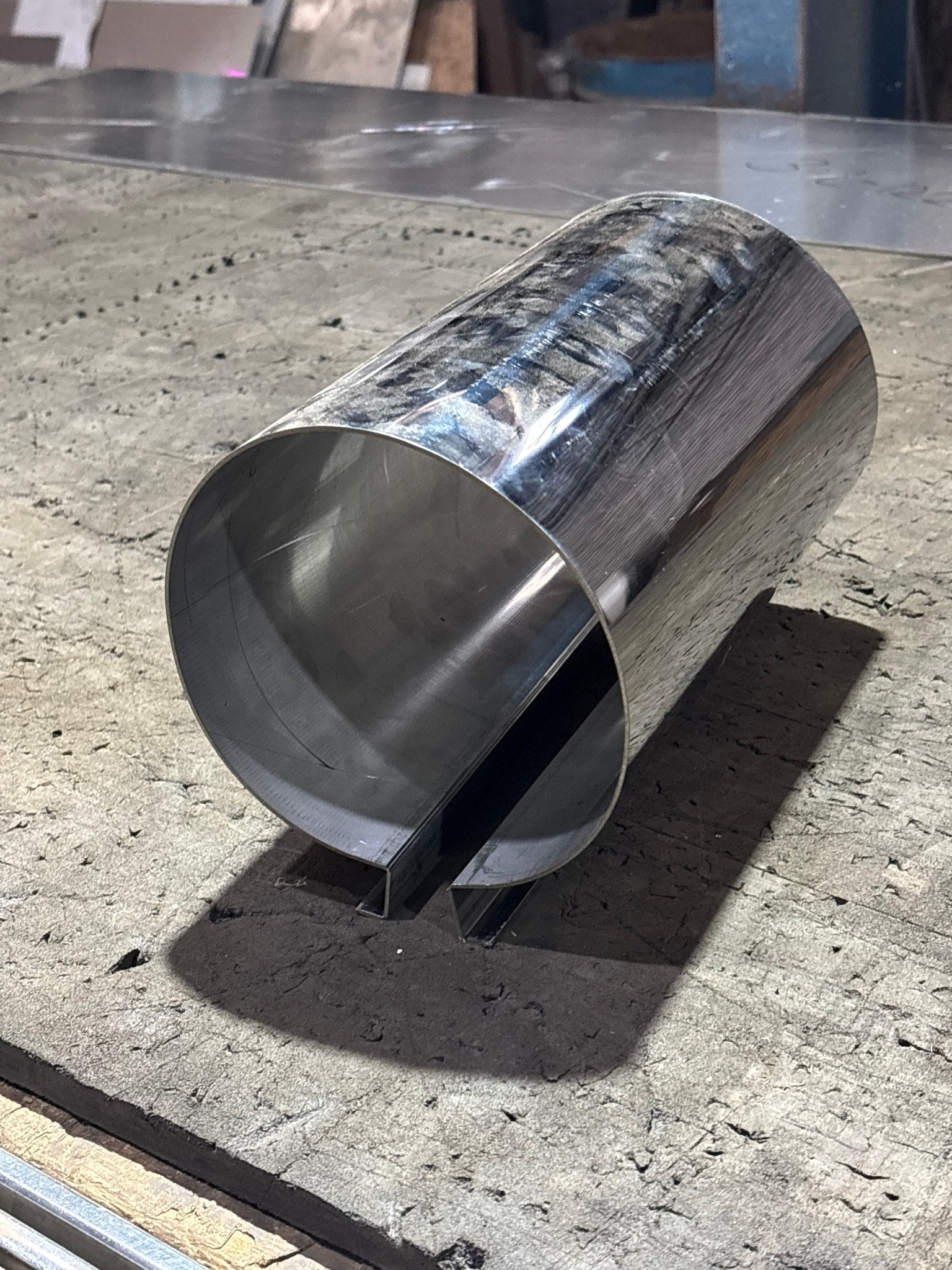
 Curved & round
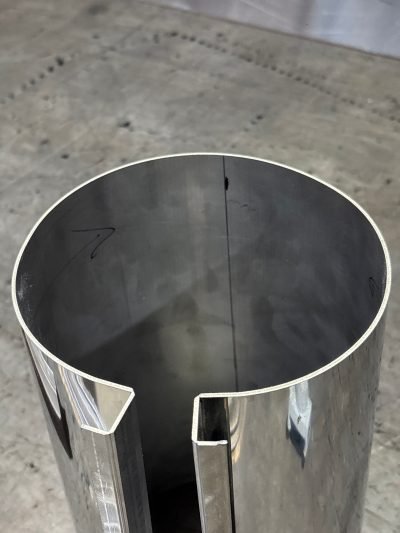
Half-round and curved profiles
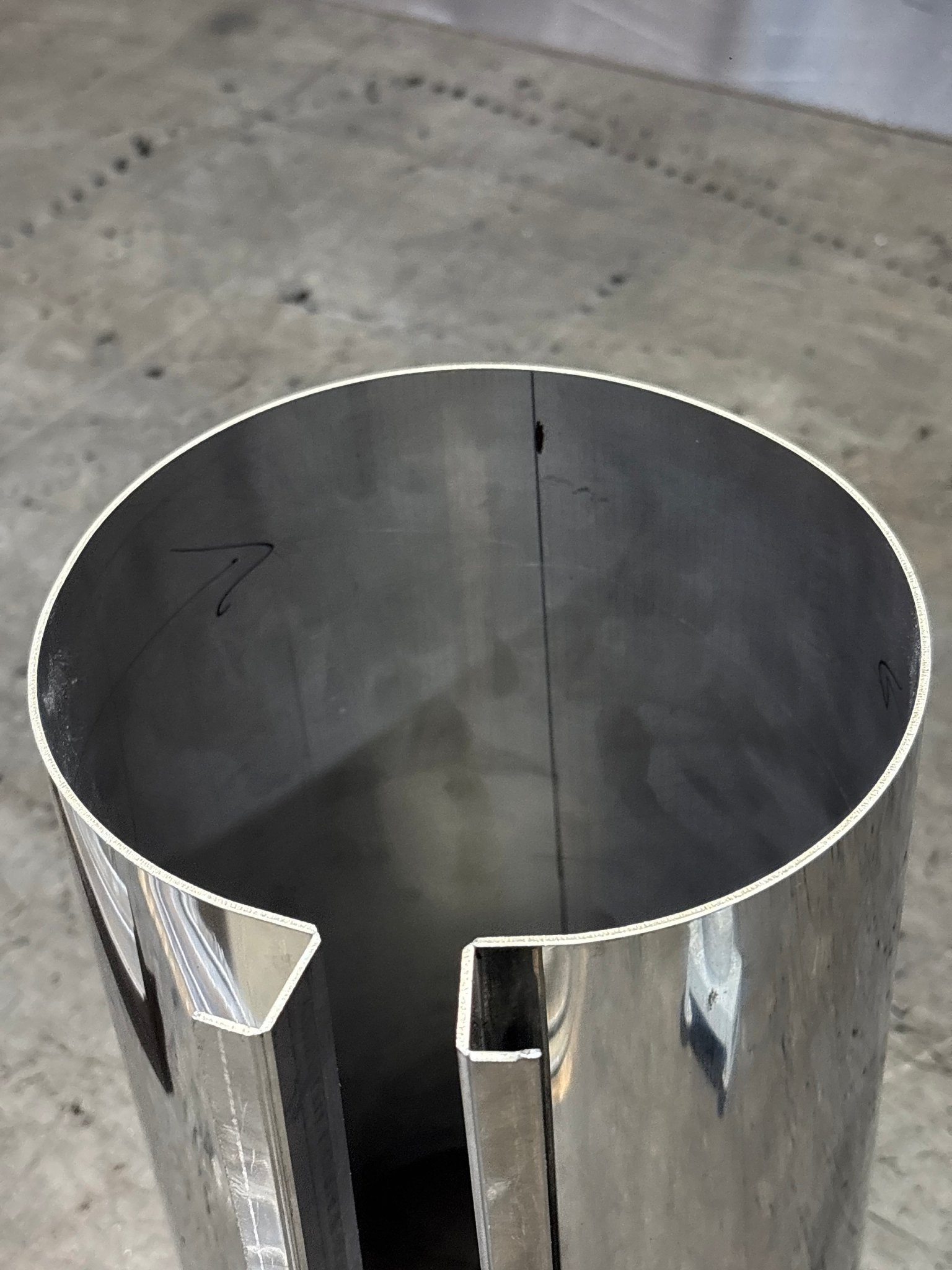
Sections with a radius, formed from flat sheet to the drawing; send the radius, the length and the finish.
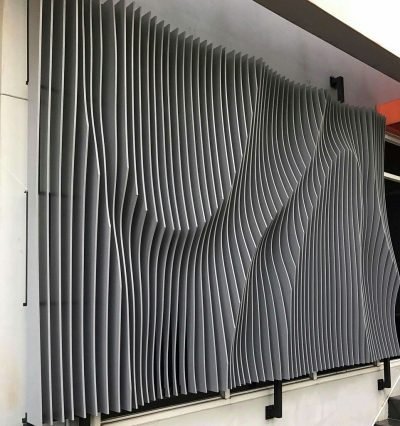 Parametric
 fins and screens
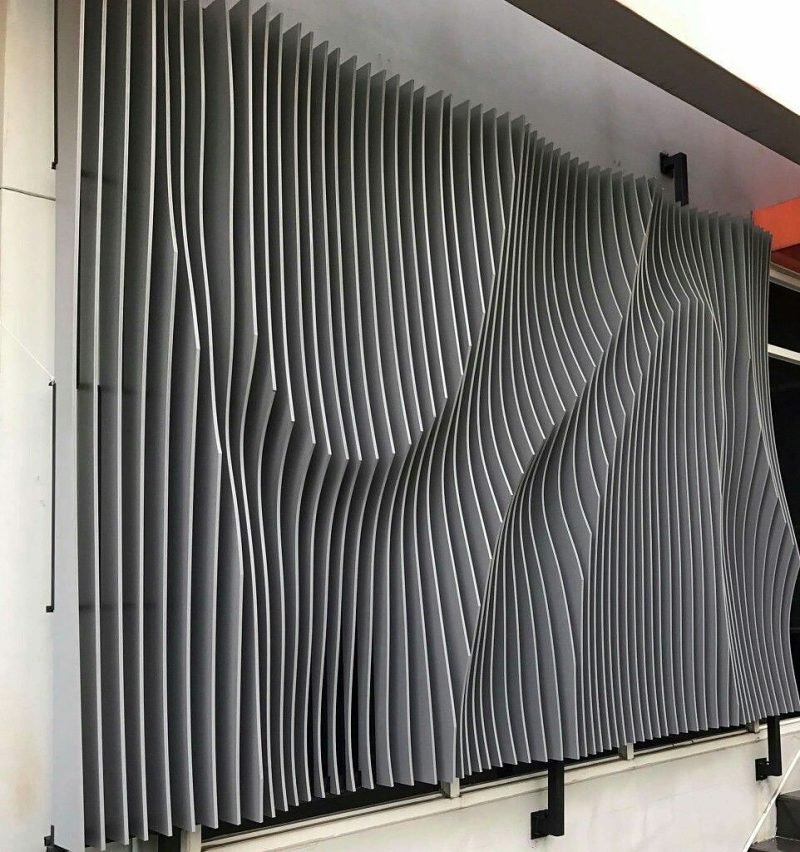
Each fin cut to its own curve, numbered and nested so the wall goes together as drawn.
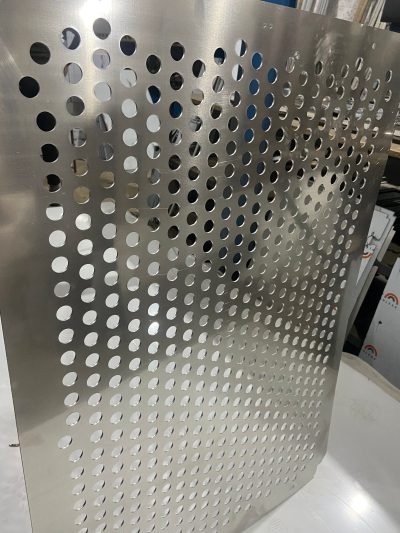 Parametric
 façade panels
Panels whose folds or perforation change across the elevation, including kinetic façades that move with the wind.
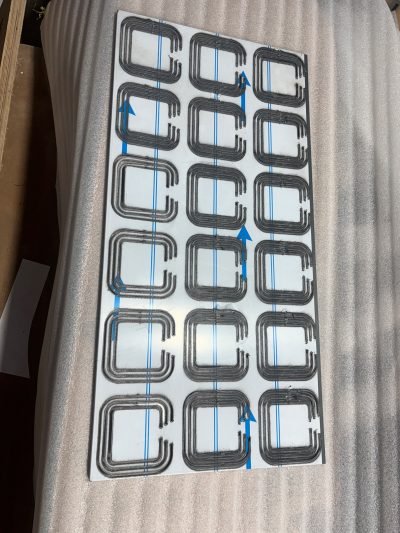 3D folded
 façade panels
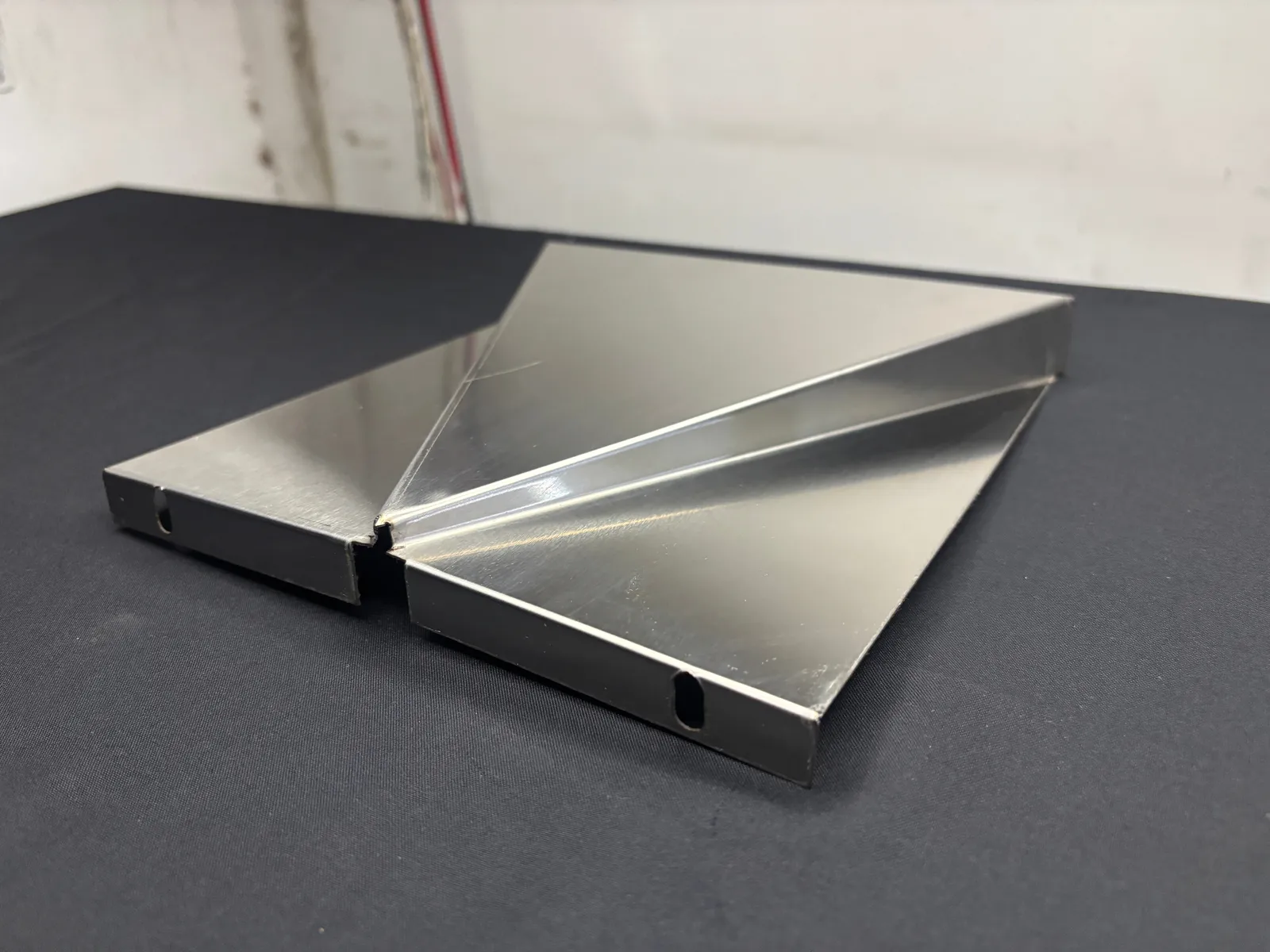
Pyramids, facets and folds from one flat blank, V-grooved so every edge is sharp.
 Interlocking
Interlock panel system
Panels that hook into each other and hide their fixings; the joint is in the fold.
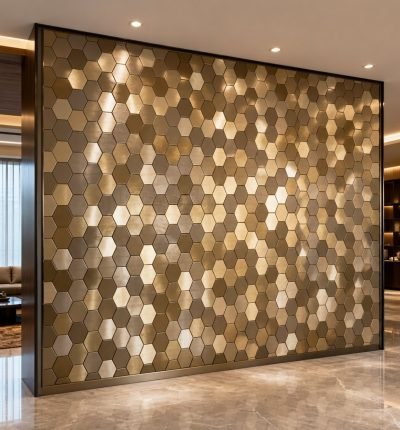 Skins
Metal shingles
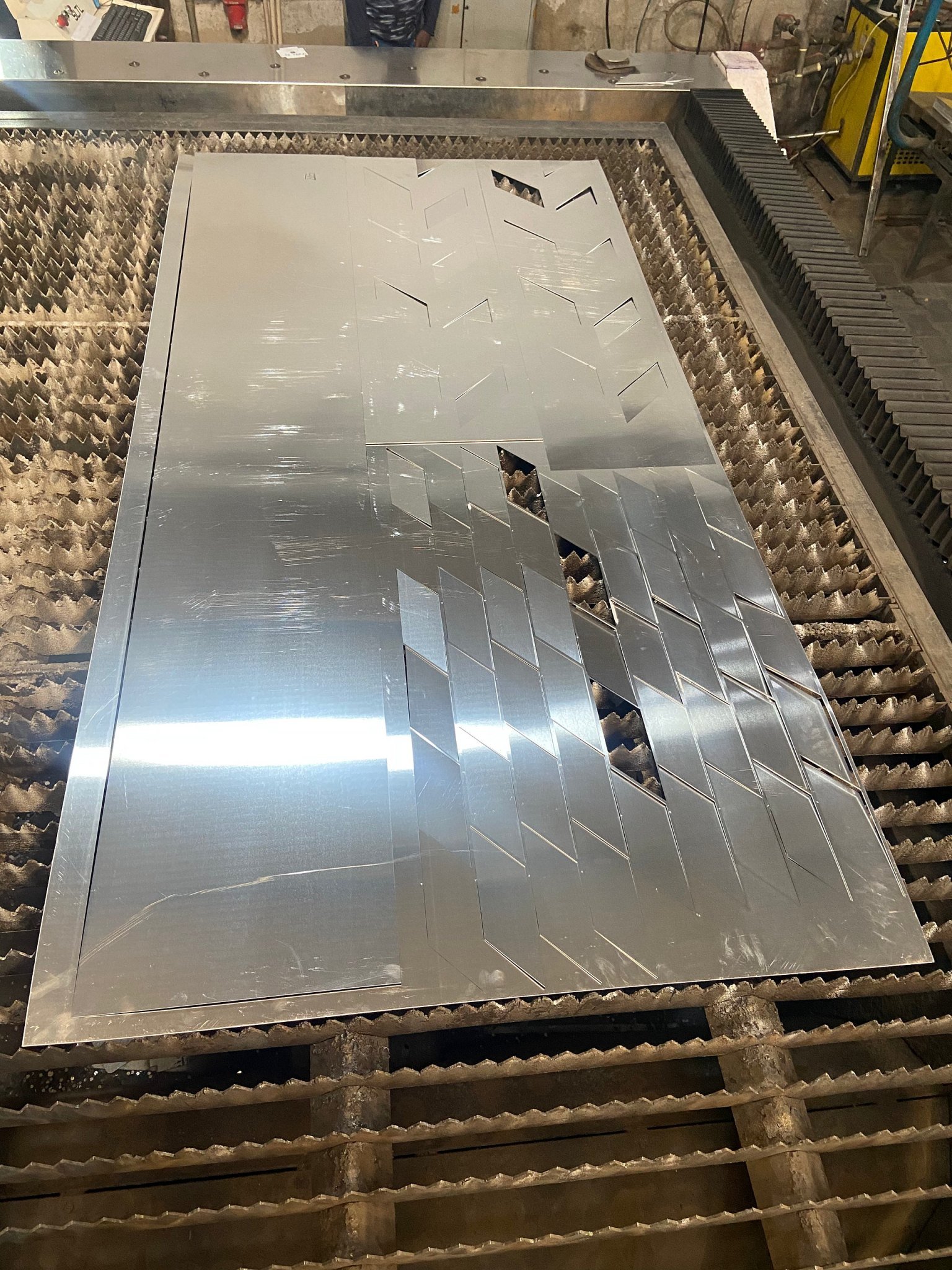
Hexagonal, diamond, fish-scale, triangular and wave shingles; the exposure can be adjusted on site.
 Ceilings
Honeycomb and parametric ceilings
Cells, baffles and fins that read as one surface overhead.
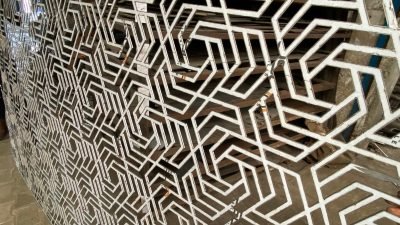 Perforated
Perforation and patterns
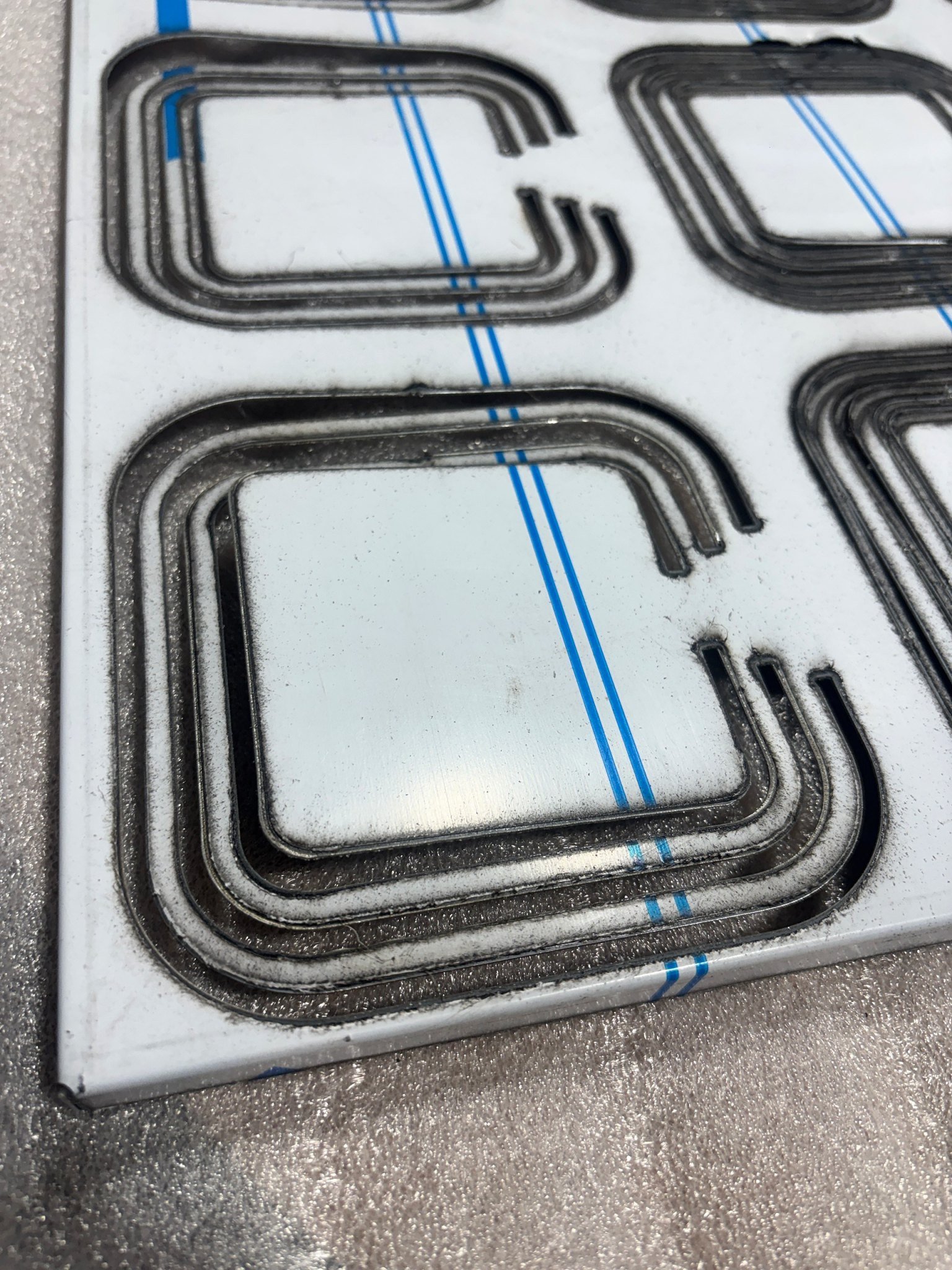
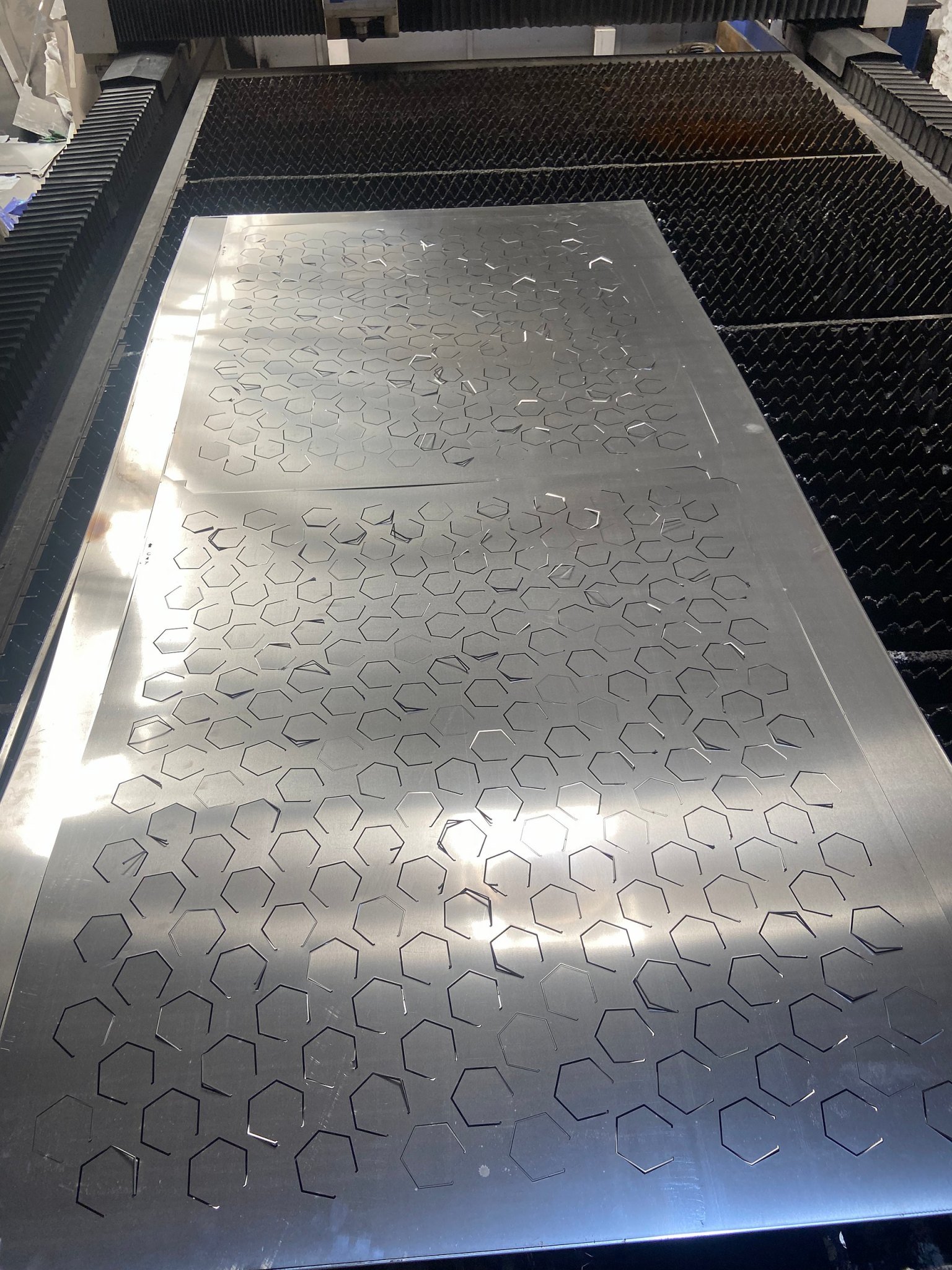
Any hole pattern the laser can cut, borders kept blank, the open area worked out; or a photograph turned into hole sizes.
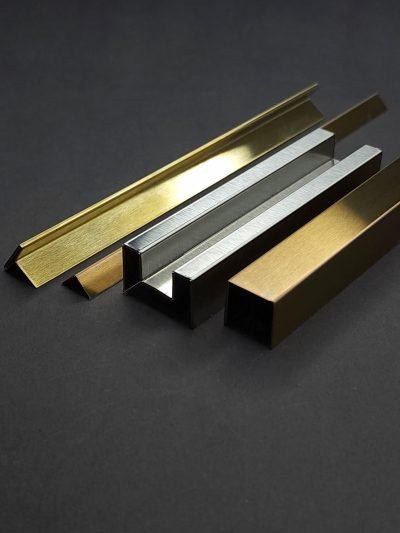 Sections
Multi-bend sections
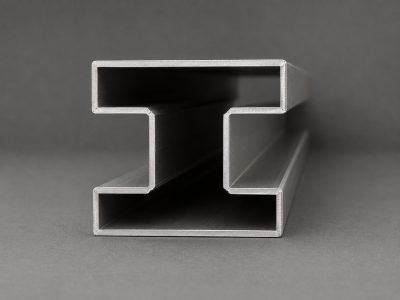
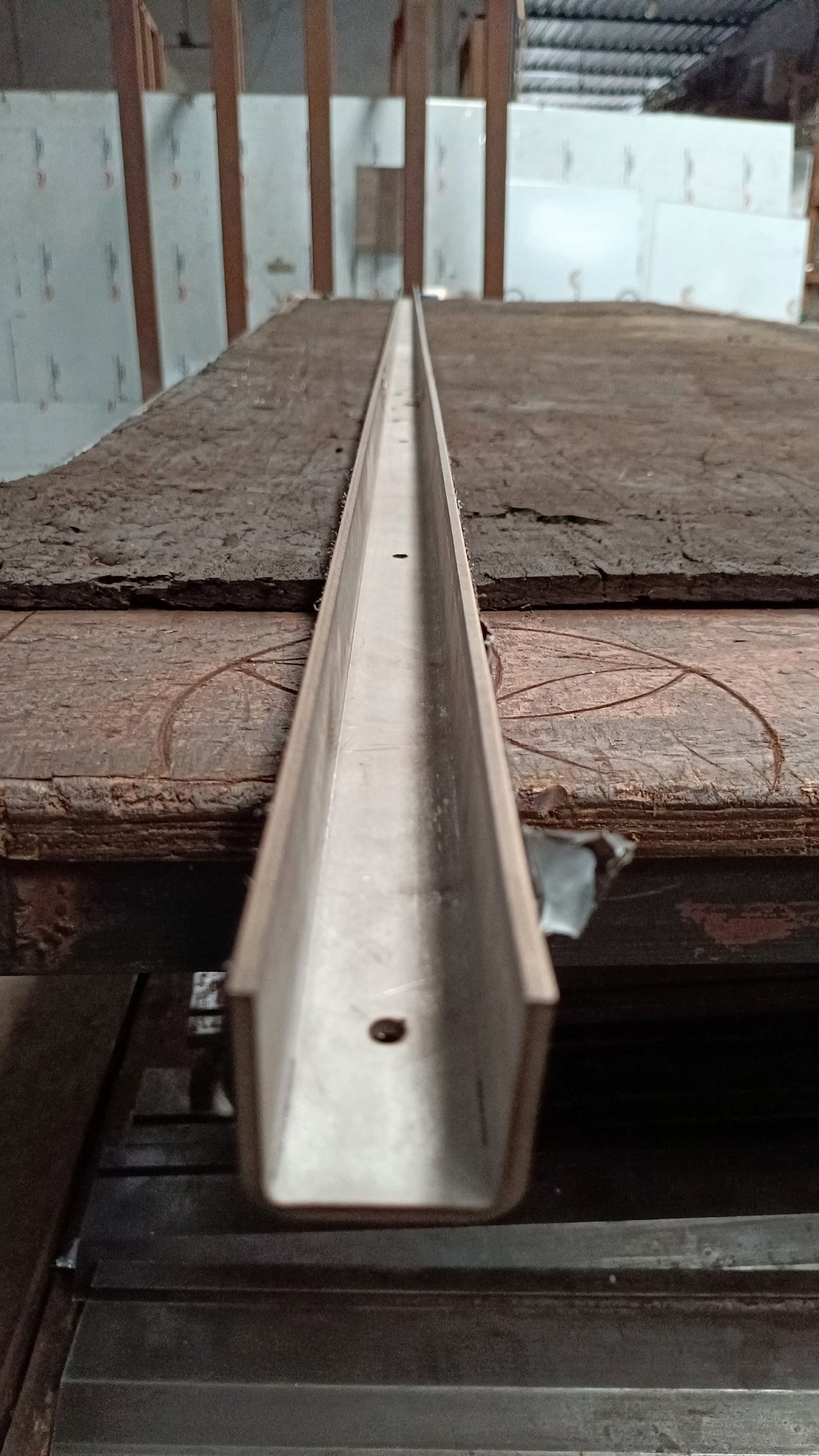
L, U, Z, T, J, P, M, H, box and glass channels, up to 15 legs, with the limits that apply to each.
 Housings
Glass housing profiles
Channels and housings that hold the glass and gasket exactly, with sharp corners along the whole length.
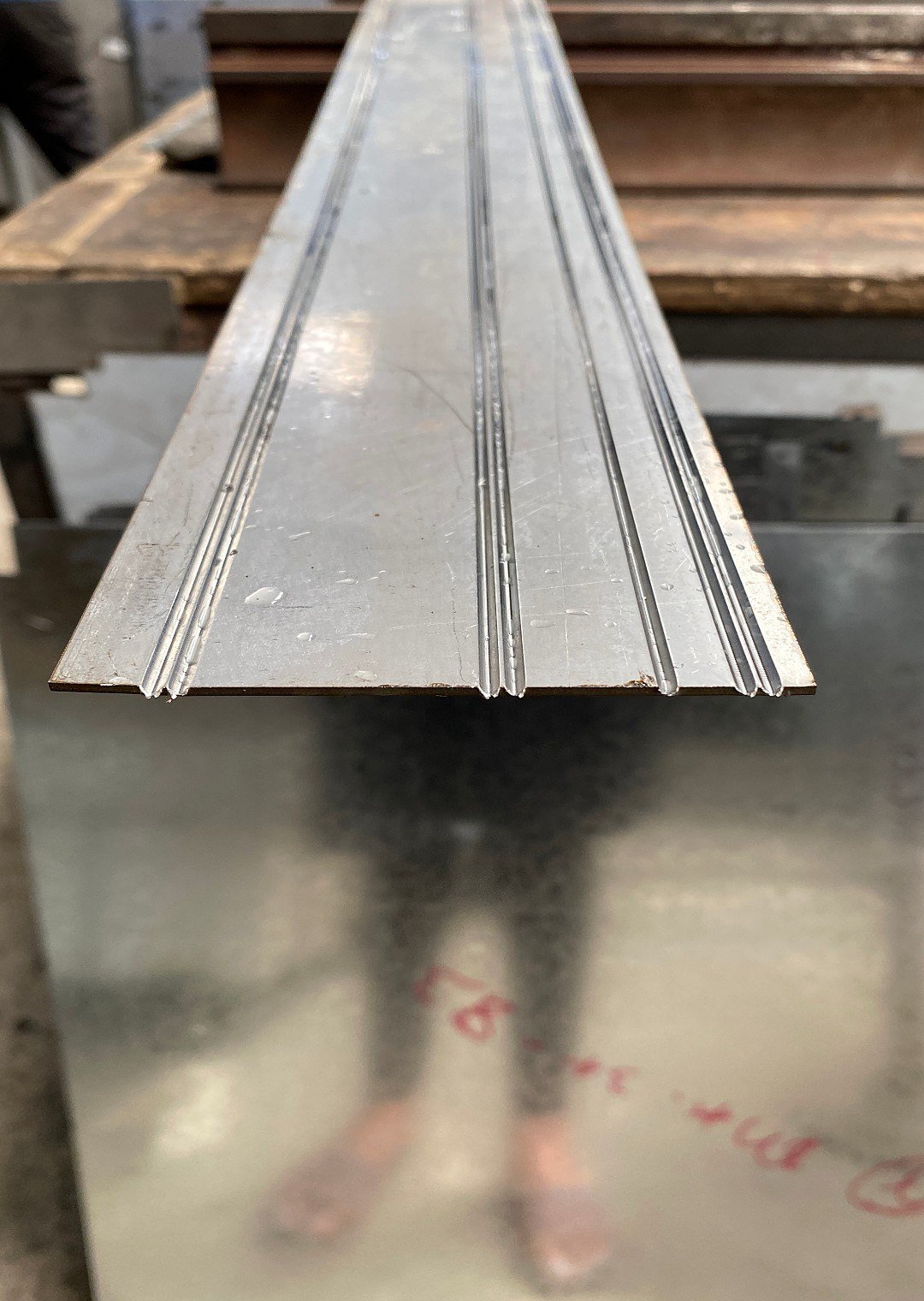
From flat to formed
The blank,
then the shape

What decides it
Can this shape
be made?
| Sheet thickness | 0.25 to 3.8 mm is bent and V-grooved; the groove depth and the web left behind are set per metal and thickness. |
|---|---|
| Sheet size | The laser bed takes 2 m × 4 m; V-grooving runs up to 4 m; the press brake folds up to 3 m in one stroke. |
| Corners | Seen from close by: V-grooved sharp. Hidden or structural: a normal bend, which keeps more metal at the fold and costs less. |
| Metals | Stainless steel, mild steel, aluminium, brass and copper are V-grooved; eight metals are cut and bent. |
| Finish | Applied after the fold, so faces, edges and corners are finished alike; PVD colours on stainless steel, powder coating on aluminium, mild steel and GI, both arranged by MCS through approved coating vendors. |
| The rest | Minimum legs, the smallest radius, hole-to-edge distances and maximum lengths depend on the section and the metal: they are confirmed on your drawing, before anything is cut. |
Draw it yourself
Three tools for
complex shapes
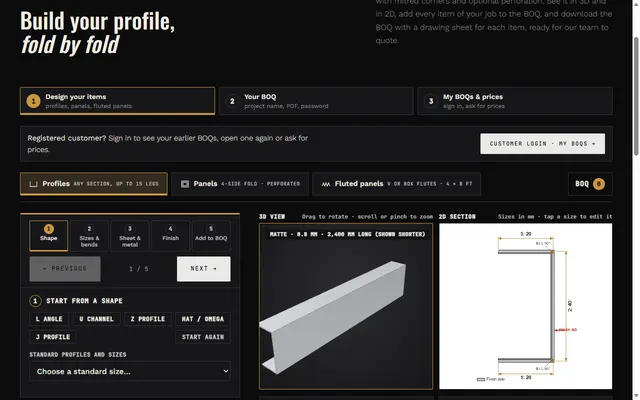 Profile Builder
Any folded section
Up to 15 legs, left or right bends at any angle; the crash check tells you when a leg would run into another.
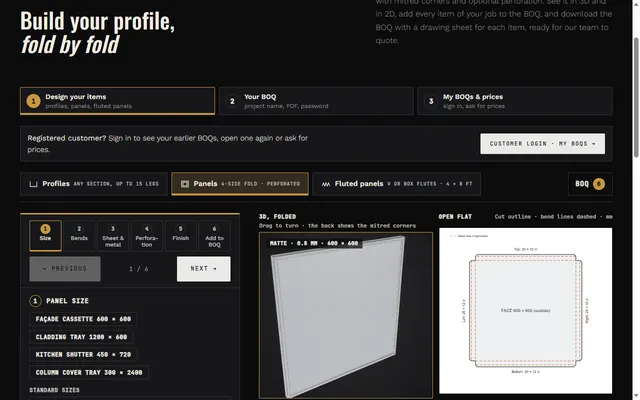 Panel Builder
Folded and perforated panels
Returns and lips on four sides, plain or perforated; the brake check says which folds can be made.
 Start Your Facade
Panels, fins, shingles for a whole elevation
Give the wall size and choose the system; the Studio lays out the panels, counts them and draws the sketch.
On film
Complex work
on film
Parametric fins, 3D panels and folded ceilings from our YouTube channel.
 Metal Craft Studio at INDEXPLUS 2026 | Booth tourA short look at the Metal Craft Studio booth at INDEXPLUS & SURFACE @WORKS 2026, Yashobhoomi (IICC), New Delhi: 3D wall panels, louvres, entrance fins and a folded metal ceiling.
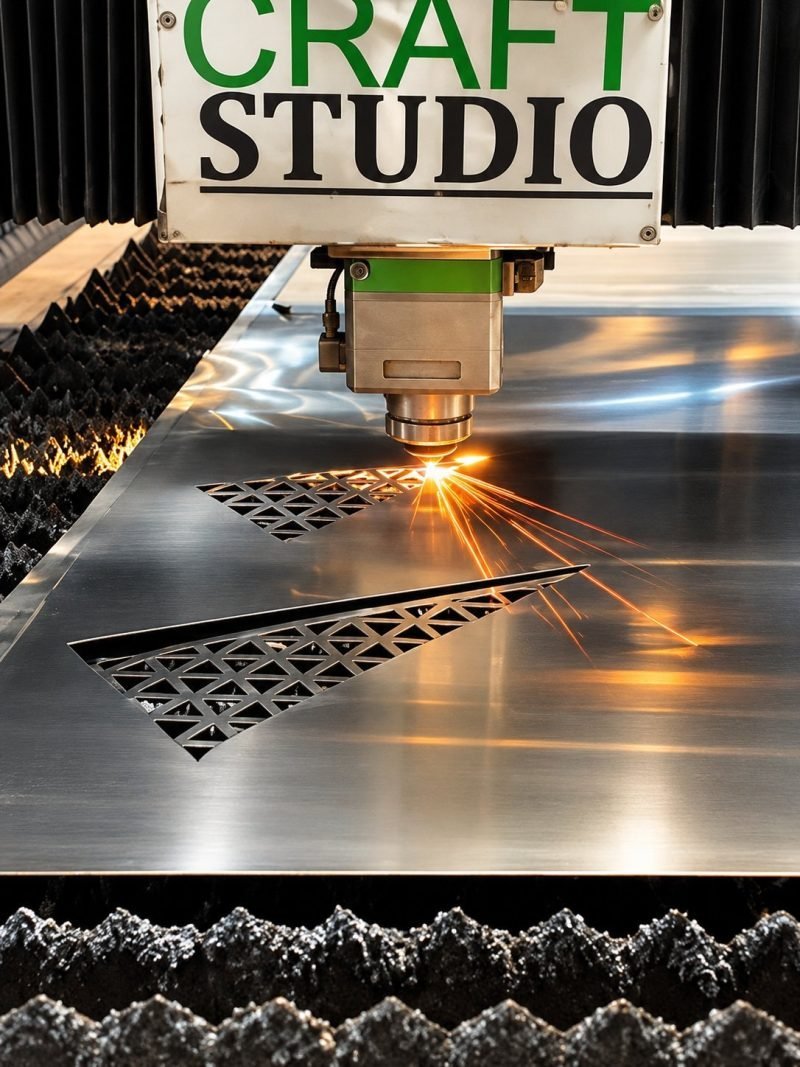 Custom FabricationInside Metal Craft Studio | From sheet to finished partLaser cutting, CNC V-grooving and press-brake bending in our workshop in Narela, Delhi: a sheet becomes a finished panel with sharp corners.
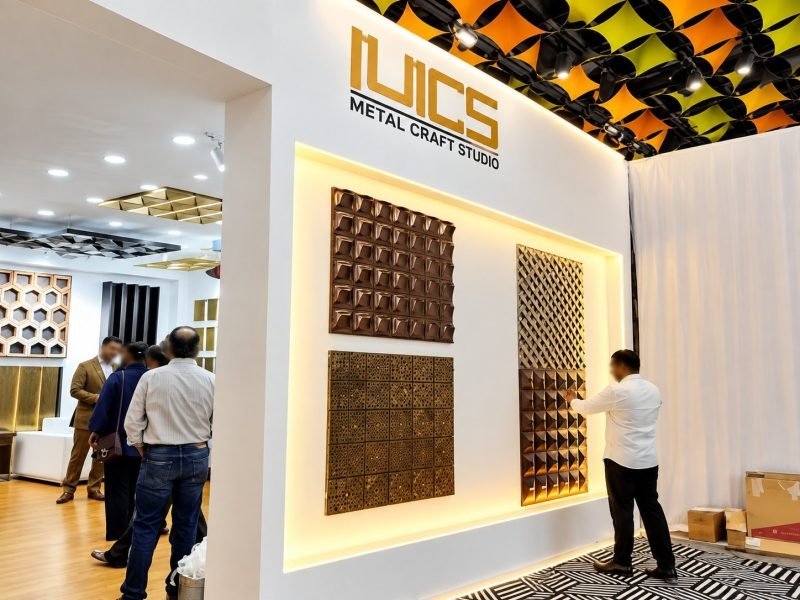 Real product photos from INDEXPLUS 2026Real photographs from our INDEXPLUS 2026 booth: a sharp-edge bent profile, architectural profiles, 3D wall panels, honeycomb and triangle panels, a parametric fin wall and metal fins.
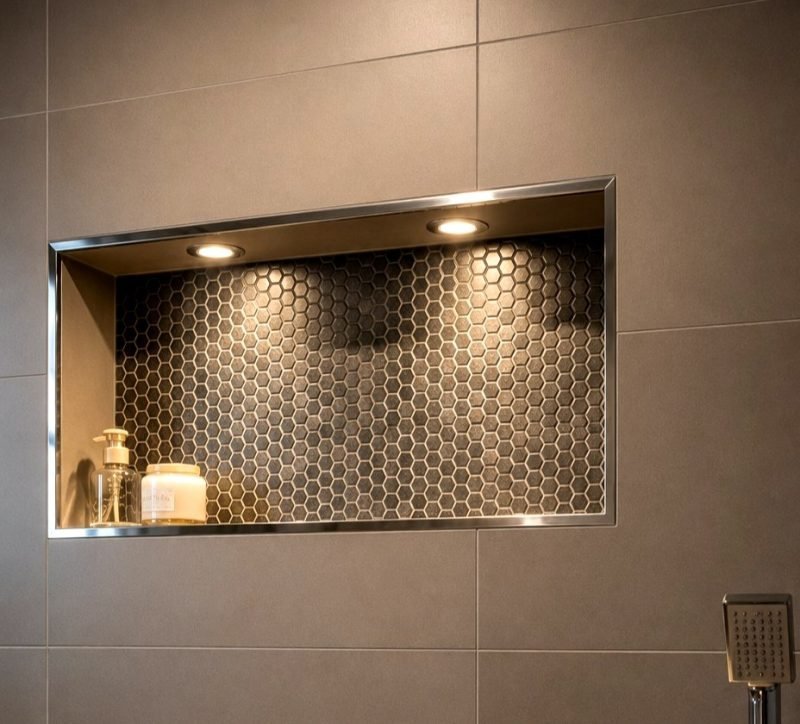 Architectural Profiles & TrimsMetal Wall Edge Profiles for Corner ProtectionMetal wall edge profiles that cover exposed wall edges and protect the corners.
Questions and answers
Complex shapes:
questions
Can a curved section be V-grooved?
The groove runs along a straight bend line, so the sharp corners of a curved part are its straight folds; the curve itself is formed from the flat sheet. Send the drawing and we confirm the way to make it.
How many bends can one part have?
The builder allows up to 15 legs. On the machine, the limit is set by the order of the folds and the tooling: a later bend must not collide with an earlier one. The design desk checks this on your drawing.
Do parametric parts cost more?
Each part is cut to its own shape, so the laser time and the nesting decide the cost rather than the number of different parts. We quote from the drawing or from the Facade Studio layout.
Is a V-grooved fold weaker?
Less metal at the corner means a weaker fold, so a structural, load-bearing bend may need a normal bend instead. We say which bends should stay normal.
Start a project
Send the shape
as you have it.
A sketch, a photograph or a reference is enough to start. Our design team tells you how it can be made.